

MOSQUITO DAY: Ifakara takes malaria science to the public
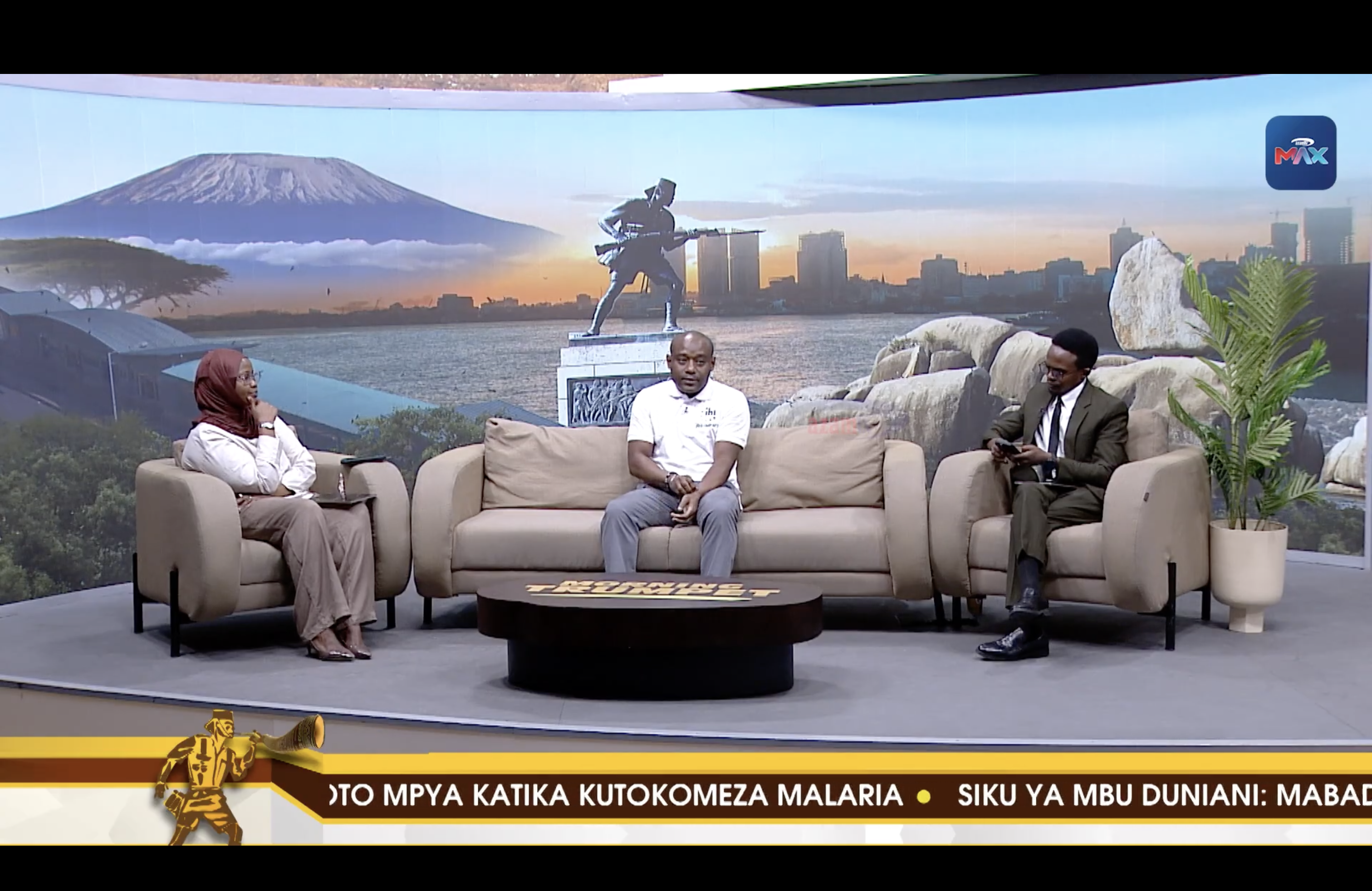
On World Mosquito Day, Ifakara Health Institute’s seasoned malaria researcher, Dr. Brian Tarimo, took malaria research closer to the public through a live television conversation on Azam TV’s Morning Trumpet, sharing insights into mosquito behaviour, malaria transmission and what these changes mean for the next generation of malaria-control tools.
Understanding mosquitoes and malaria
Joining the programme from 7:00 AM EAT, Dr. Tarimo began with the basics of Anopheles mosquitoes, explaining why female mosquitoes require blood meals for reproduction and addressing common misconceptions about mosquitoes and malaria. He also took viewers through the mosquito life cycle and discussed some of the common myths about what attracts mosquitoes.
Dr. Tarimo explained that differences in how frequently people are bitten can be linked to factors such as individual body scent, while challenging the common belief that mosquitoes are simply attracted to dark colours.
Not all mosquitoes transmit malaria
The discussion then explored the differences between mosquito species. While Anopheles mosquitoes are responsible for malaria transmission, Aedes mosquitoes are important vectors of diseases such as dengue and chikungunya. Unlike malaria-transmitting mosquitoes, Aedes mosquitoes commonly bite during the day and are particularly important in urban settings.
Mosquito behaviour is changing the fight against malaria
Dr. Tarimo highlighted how changes in mosquito behaviour are influencing malaria-control strategies. He emphasised that there is no single solution to controlling mosquitoes and that communities and health programmes need a “toolbox” of complementary interventions to reduce mosquito bites and transmission.
These changes in behaviour, including concern about mosquitoes biting during the daytime, are also informing recommendations for personal and household protection.
Protecting yourself from mosquito bites
Dr. Tarimo encouraged people to use insect repellent lotions, remove stagnant water and other potential breeding sites around homes and workplaces, and install window and door screens to prevent mosquitoes from entering homes.
He also stressed the importance of completing prescribed malaria treatment after diagnosis, contributing to both individual recovery and wider malaria-control efforts.
The conversation further touched on local and traditional knowledge, including interest in plants such as mchaichai, and the importance of scientifically understanding and researching their potential role in mosquito control and community health.
Bringing malaria research closer to the public
By bringing malaria science to a mainstream television audience, the World Mosquito Day discussion helped translate research into practical information that people can use to better protect themselves, their families and their communities.
As mosquitoes change, our approach to controlling them must change too—and research remains critical to staying one step ahead.
Watch the full interview here: https://youtu.be/xf7JuP-WHEs