

PAMCA KENYA 2026: Ifakara talks shaping Africa’s future in Mosquito Control on final day
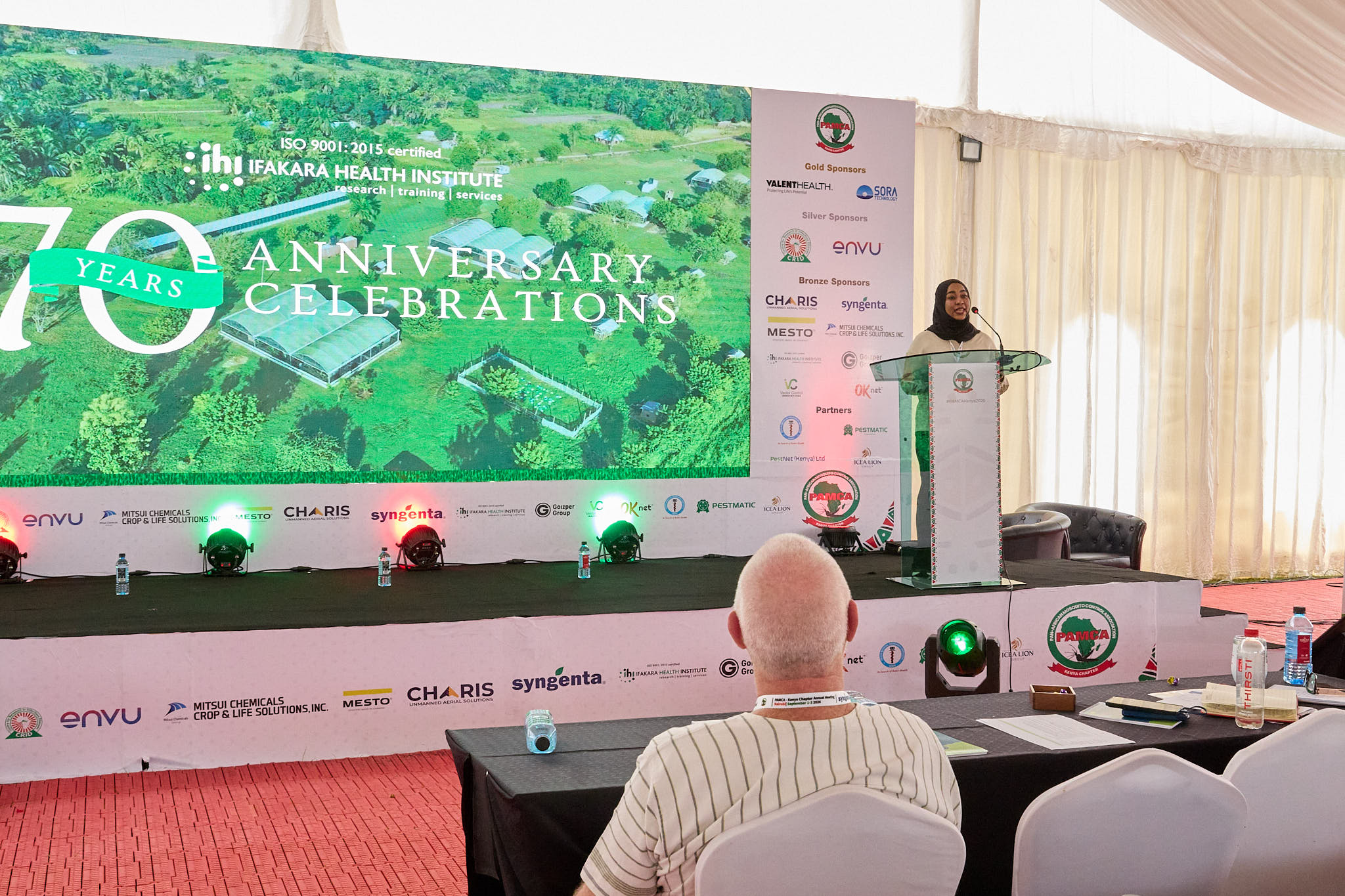
Sept 3, 2026, the final day of the 2026 Pan-African Mosquito Control Association (PAMCA) Kenya Chapter Annual Conference brought the conversation to a critical question: Is Africa prepared for the next generation of mosquito-borne disease threats—and what will it take to change the way we respond?
Across the day’s plenary discussions, speakers challenged the malaria and vector-control community to confront persistent gaps in preparedness, financing, research priorities and African ownership of the continent’s scientific agenda.
At the conference, Ifakara researchers and teams contributed evidence across areas including vector surveillance and bionomics, mosquito behaviour, novel vector-control tools, data science, emerging threats such as Anopheles stephensi, and genetic approaches including gene-drive research.
Together, these efforts reflect a broader commitment: to generate the evidence needed not only to understand today’s mosquito-borne disease challenges, but to anticipate what comes next.
Ifakara speaks on 70th Anniversary celebrations in Nov
As the PAMCA Annual Conference comes to a close today, Ifakara Health Institute took the opportunity to invite the PAMCA family to its 70th Anniversary celebrations, taking place in Dar es Salaam in November.
Representing Ifakara, Ms. Shekha Salum expressed appreciation to the PAMCA team for bringing the platform back after a two-year hiatus and extended an invitation to the PAMCA community to join Ifakara in marking this important milestone, on behalf of Dr. Ally Olotu, Chief Executive Director of Ifakara.
For 70 years, Ifakara has evolved alongside Africa’s changing health challenges. As it marks this milestone, the Institute remains committed to advancing science that helps Africa prepare for the future—through research, innovation, partnerships and solutions grounded in the realities of the communities it serves.
The discussions at PAMCA have reinforced an important message: the future of mosquito-borne disease control will depend on Africa’s ability to anticipate emerging threats, invest in the science and people needed to address them, and translate evidence into action.
As Ifakara marks 70 years of science and service, it looks forward to continuing this journey with the PAMCA family—strengthening African leadership, building lasting partnerships and shaping the next generation of solutions for mosquito-borne diseases.