
MENTAL HEALTH: Peer support gives young people living with HIV confidence and hope
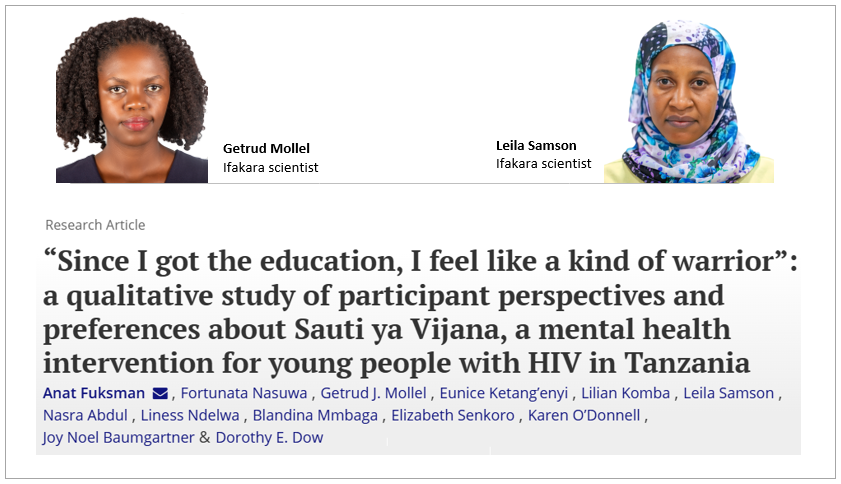
Young people living with HIV in Tanzania say a peer-led programme helped them feel more confident, cope with challenges and develop greater hope for the future, according to a new qualitative study.
Published in AIDS Care recently, the study explored the Sauti ya Vijana, or The Voice of Youth, a co-created, peer-led group intervention designed to address mental health challenges and support young people living with HIV.
The intervention was delivered across four sites in Tanzania: Mwanza, Mbeya, Moshi and Ifakara, reaching four waves of young people in each region between April 2023 and September 2024.
How did the study explore their experiences?
Researchers held 32 focus group discussions involving 208 adolescents and young adults living with HIV who had participated in the intervention. Two waves of discussions took place shortly after the intervention, while two further waves were conducted approximately 12 months later.
The researchers wanted to understand how participants felt the programme had affected their lives and what they valued about the intervention.
‘I feel like a warrior’
Participants highlighted the importance of learning more about HIV and mental health, saying the knowledge helped them cope with challenges, build self-confidence and, in their view, improve medication adherence.
The peer-based approach also created opportunities for participants to share personal experiences and knowledge. Some said this strengthened relationship with peers, encouraged them to share information with others and helped create a greater sense of worth and belonging.
These experiences contributed to a stronger sense of hope for the future, according to participants.
Why do the findings matter?
The findings highlight how combining mental health education, peer support and HIV-related knowledge could help address some of the challenges faced by young people living with HIV.
Participants generally described Sauti ya Vijana as beneficial and said the programme should be expanded to support more young people.
Ifakara researchers contribute
Getrud Mollel and Leila Samson of the Ifakara Health Institute contributed to the study as co-authors, as part of a wider collaboration involving researchers and health institutions in Tanzania and the US.
Read the publication here.