#THS2026: Spotlight on shifting malaria patterns, locally driven drug discovery
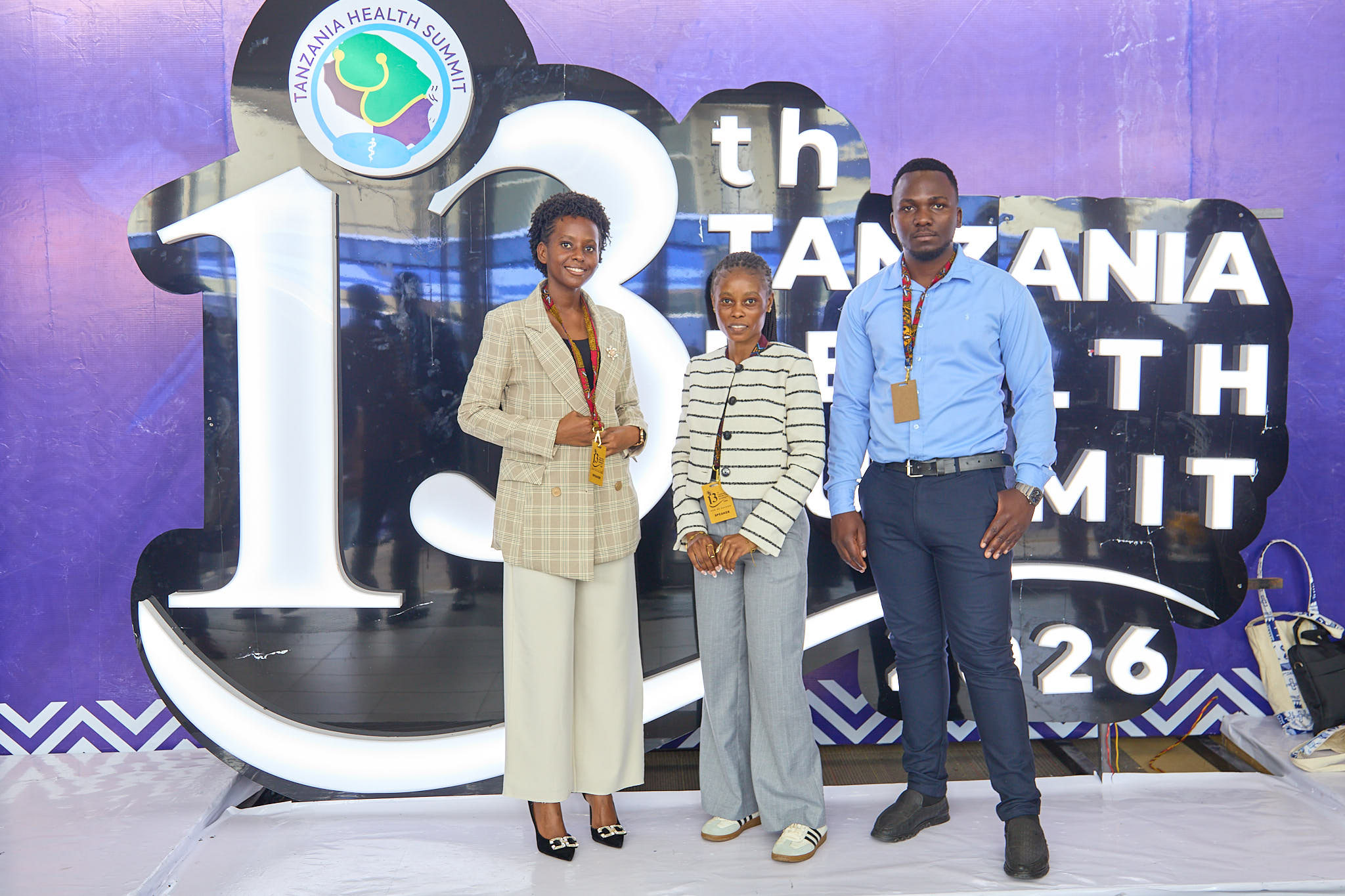
On 6 October 2026, researchers from the Ifakara Health Institute’s Malaria Atlas Project (MAP) East Africa Node presented new research at the 13th Tanzania Health Summit, exploring changing patterns of asymptomatic malaria and locally driven approaches to drug discovery.
Sarah Leonard, Research Scientist, presented “Silent but shifting: Council Dominance Transitions in Tanzania's Asymptomatic Malaria Burden (2023–2025),” examining changes in the distribution of asymptomatic malaria across councils in Tanzania.
Rosalia Emmanuel, Research Scientist Intern, presented “From gene expression to drug candidate: demonstrating locally-driven bioinformatics pipeline for translational health research in Africa,” highlighting how bioinformatics can help move research from gene expression data towards potential drug candidates.
Young researcher sharpens leadership, communication and career skills
At the Tanzania Health Summit 2026, held from 5–7 October in Dar es Salaam, IHI researcher Samuel Paul Mbano, a Research Officer Intern with the Malaria Atlas Project (MAP) East Africa Node, participated in the Youth Capacity Building (YOCAB) Workshop.
The YOCAB workshop equipped young professionals with skills in leadership, communication, personal branding and career development. For IHI, such opportunities complement scientific training by helping young researchers build the professional skills and networks needed to grow as future health research leaders.
Samuel Paul Mbano, an IHI Research Officer Intern with the MAP East Africa Node, was among the participants, gaining insights into career growth, personal branding and networking. His participation reflects IHI’s commitment to supporting the development of the next generation of health researchers.
About MAP
MAP is a four-year initiative (2023–2027) focused on using data, modelling and advanced geospatial analytics to strengthen malaria control, policy planning, monitoring and evaluation. Its East Africa Node supports malaria programmes through technical assistance, research and analytics, and capacity strengthening, with work spanning more than 30 countries.
The Node is implemented through collaboration between Ifakara Health Institute, The Kids Research Institute Australia and Curtin University, with funding from the Bill & Melinda Gates Foundation.