WORKSHOP: Strengthening qualitative research and grant writing skills
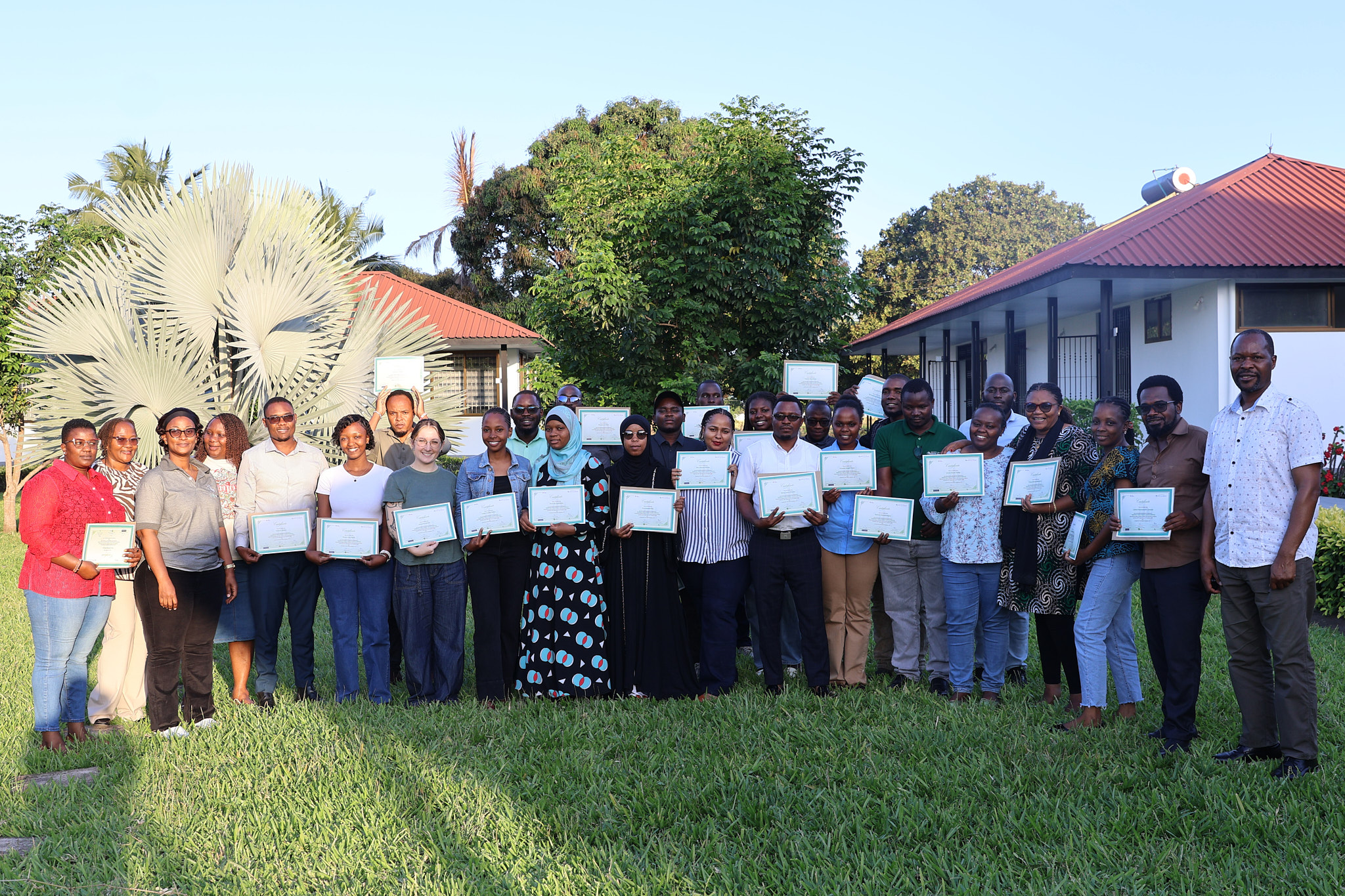
From September 28 to October 2, 2026, the Ifakara Health Institute hosted a five-day Qualitative Data Analysis and Grant Writing Training at its Training Center in Kingani, Bagamoyo, Tanzania.
Funded by the British Academy, the training brought together trainees from the University of Dar es Salaam (UDSM), Nelson Mandela African Institution of Science and Technology, Institute of Social Work, and Ifakara scientists. The programme was facilitated collaboratively by experts from APHRC Kenya, Ifakara Health Institute, and the University of Dar es Salaam (UDSM).
Building practical research skills
The intensive programme focused on hands-on learning, taking participants from foundational qualitative research concepts to practical data analysis and competitive proposal development.
Led by Dr. Vincent Were, Dr. Francis Lyimo, Dr. Irene Moshi, Dr. Hesborn Wao, Dr. Sally Mtenga, Dr. Zawadi Mageni Mboma, and Lorrain Kiswaga, the sessions covered qualitative approaches including phenomenology, grounded theory, ethnography, and thematic analysis, alongside exploratory research methods and the alignment of research questions with appropriate methodologies.
From qualitative data to meaningful findings
Participants also gained practical experience in preparing and analysing qualitative data, including data cleaning, anonymisation, manual coding, and the use of inductive and deductive approaches. The training further introduced participants to software-based qualitative analysis and techniques for identifying patterns, developing themes, and communicating research findings effectively.
Strengthening grant writing and collaboration
The programme also focused on translating research ideas into competitive grant proposals, covering areas such as funding opportunities, problem statements, aims and objectives, implementation plans, methods, budgeting, and responding to reviewers’ expectations.
By bringing together expertise and participants from different institutions, the training provided a valuable platform for collaboration, knowledge sharing, and strengthening connections that can support high-quality research and future joint initiatives.