
TRAINING: Young clinicians strengthen skills in infection treatment, antibiotic use
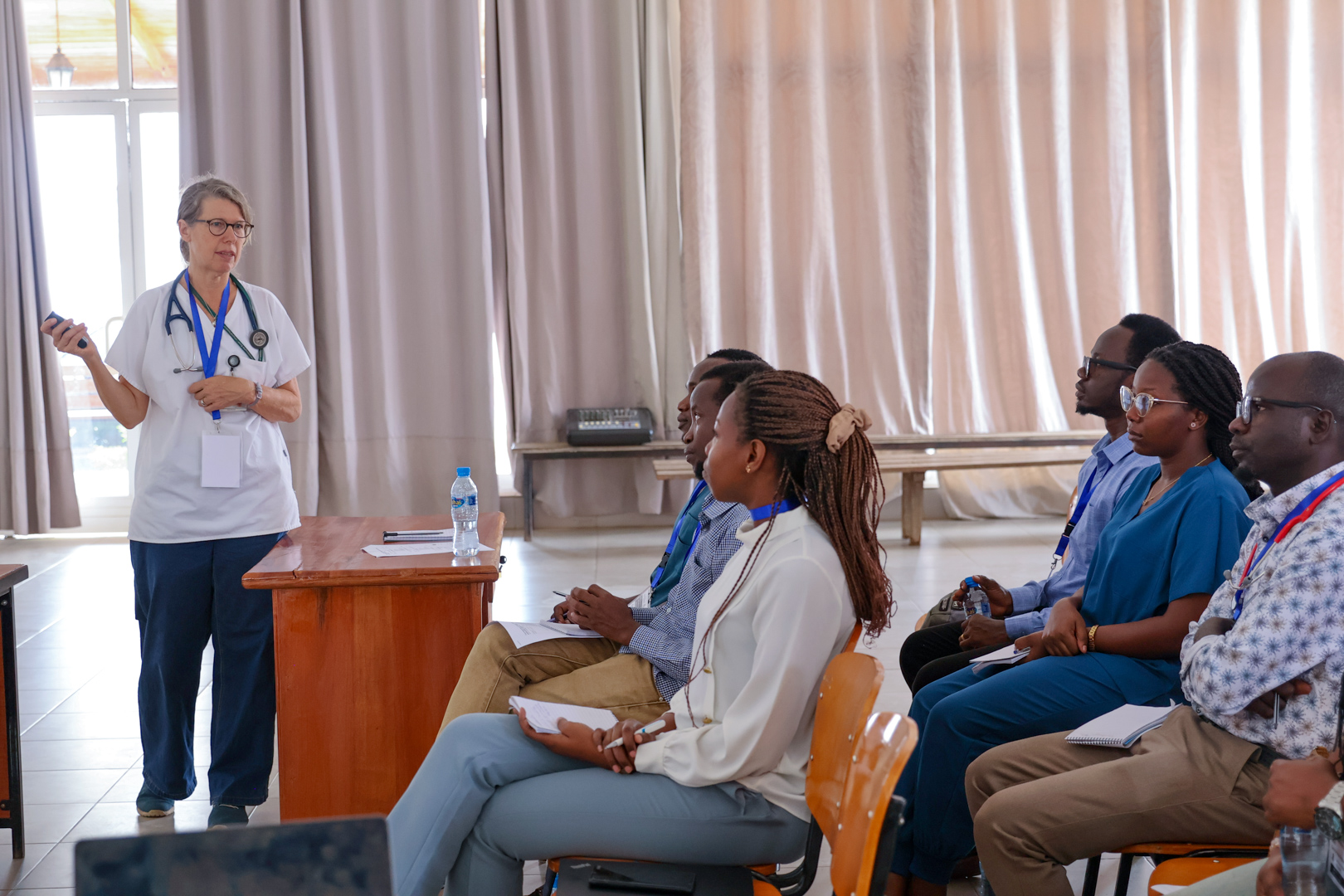
Young medical doctors and clinical officers strengthened their skills in diagnosing and treating infectious diseases during a two-day training course held at St. Francis Regional Referral Hospital in Ifakara, Tanzania, from October 12–13, 2026.
Organized by Ifakara Health Institute (IHI) and St. Francis Regional Referral Hospital (SFRRH), the training focused on improving how healthcare professionals diagnose infections, interpret laboratory results and make informed decisions about antibiotic treatment.
The course addressed growing concerns over antimicrobial resistance (AMR), a major global health threat that occurs when microorganisms, including bacteria, no longer respond to medicines designed to kill them.
From initial treatment to targeted care
When patients are suspected of having bacterial infections, clinicians often prescribe antibiotics before laboratory results are available. This approach, known as empiric treatment, targets the most likely causes of infection.
Laboratory testing, however, can identify the bacteria responsible and determine which antibiotics are likely to work best, helping clinicians move from initial treatment to more targeted care.
During the course, participants learned when to start antibiotics, when treatment might not be necessary and how to adjust prescriptions based on laboratory findings. These decisions are essential for improving patient outcomes while reducing unnecessary use of broad-spectrum antibiotics, which can contribute to antimicrobial resistance.
Combining clinical knowledge with practical skills
Through interactive sessions and hands-on exercises, participants explored how to diagnose and manage common and potentially life-threatening infections, including sepsis, respiratory tract infections, skin and soft tissue infections, abdominal infections, surgical site infections, bloodstream infections and infections affecting the central nervous system.
The training also covered essential microbiology skills, including proper sample collection, laboratory testing procedures, identification of bacteria and interpretation of antibiotic resistance results.
Another key focus was antimicrobial stewardship, an approach that promotes responsible antibiotic use to ensure patients receive effective treatment while reducing the emergence and spread of drug-resistant infections.
Experts leading the training
The training was organized by a multidisciplinary team of clinicians and researchers, including Prof. Maja Weisser, an infectious diseases specialist at IHI; Dr. Martin Rohacek, an internal and emergency medicine specialist; Dr. Andrew Katende, who leads the Heart and Lung Clinic at St. Francis; and Dr. Ezekiel Luoga, a medical doctor, researcher and PhD candidate.
Other organizers were Dr. Dominick Raffael, a physician at St. Francis; Dr. Franzisca Alfred Mmbando, Head of the Chronic Diseases Clinic Ifakara (CDCI); and Dr. Winfrid Gingo, Clinical Director of St. Francis Regional Referral Hospital.
The sessions also drew on expertise from laboratory and clinical professionals, including Peter Mang’ara, Magreth Erick, Josephine Mhina, Dr. Martin Mtula and Dr. Lilian Moshi.
Why this matters
Antibiotics are essential for treating bacterial infections, but their effectiveness is increasingly threatened by drug resistance. Unnecessary or inappropriate antibiotic use can worsen the problem, making infections harder and more expensive to treat.
By strengthening clinicians’ diagnostic and treatment skills and promoting closer collaboration with laboratory professionals, the training aimed to improve patient care and encourage more responsible antibiotic use.