

ENGAGEMENT: Ifakara, Tanzanian parliamentarians discuss innovative technologies for malaria elimination
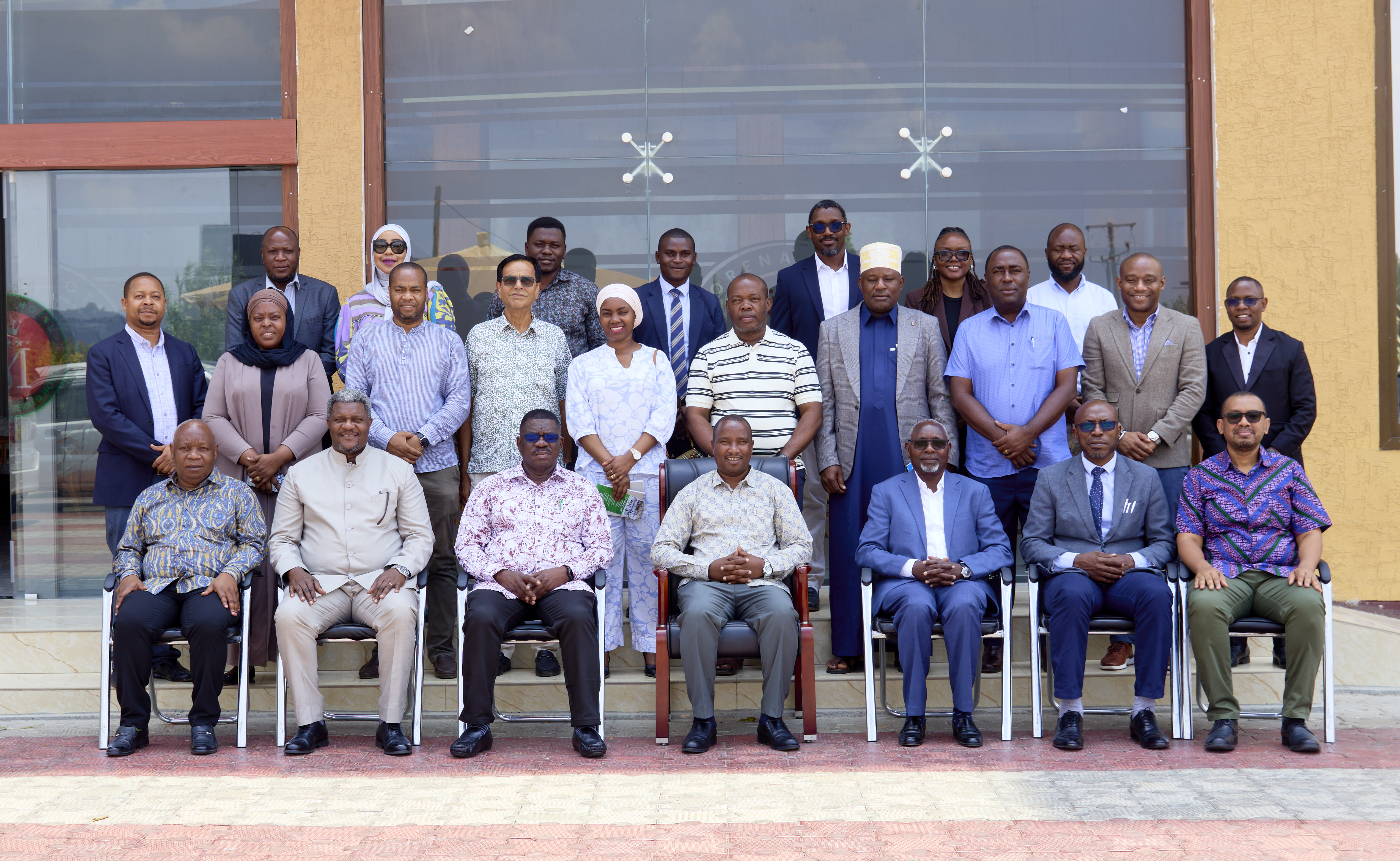
The Ifakara Health Institute (IHI), through its Transmission Zero (T0) project, engaged members of the Parliamentary Standing Committee on Health and HIV/AIDS and Tanzania Parliamentarians Against Malaria (TAPAMA) on October 31, 2026, in Dodoma, to discuss emerging technologies and their potential contribution to malaria elimination in Tanzania.
The high-level meeting brought together parliamentarians, researchers, government representatives and regional partners, including the African Leaders Malaria Alliance (ALMA), East African Community (EAC) Malaria Unit, Vice President's Office (VPO) – Division of Environment, National Malaria Control Programme (NMCP), National Institute for Medical Research (NIMR) and Tanzania Commission for Science and Technology (COSTECH).
Strengthening political commitment and scientific innovation
In his opening remarks, was Hon. Dr. Emmanuel Qambaji Nuwas, Chairperson of the Parliamentary Standing Committee on Health and HIV/AIDS, acknowledged that malaria remains a significant public health challenge in Tanzania, emphasizing the need for continued investment, stronger partnerships and coordinated action to accelerate progress towards elimination.
IHI Chief Executive Director, Dr. Ally Olotu, highlighted the importance of translating scientific research into effective policies and public health interventions through meaningful engagement with decision-makers. He emphasized the importance of engaging decision-makers throughout the research process and expressed appreciation to the Government of Tanzania for its continued support in advancing scientific research and innovation.
During the meeting, Dr. Dickson Lwetoijera presented IHI's work under the Transmission Zero project, highlighting progress in developing innovative genetic-based vector control tools, including gene-drive mosquitoes, designed to interrupt malaria transmission.
The project is led by Ifakara in collaboration with the National Institute for Medical Research (NIMR) Mwanza Office, Imperial College London and the Swiss Tropical and Public Health Institute (Swiss TPH).
The presentation offered parliamentarians and stakeholders an opportunity to better understand the scientific progress, potential applications and considerations associated with these technologies, particularly how they could complement existing malaria prevention and control measures.
Balancing innovation with sustainability
Discussions emphasized the importance of ensuring that emerging technologies are effective, sustainable and responsibly developed through continued research, monitoring and regulatory oversight.
Stakeholders also highlighted the need for community engagement and continued use of proven malaria prevention measures, including insecticide-treated bed nets, alongside emerging innovations.
Regional cooperation and investment
The EAC Malaria Unit emphasized that malaria elimination requires coordinated regional action, stronger political commitment and sustained financial investment.
In closing remarks, Prof. Abraham Mnzava, representing the African Leaders Malaria Alliance (ALMA) and serving as Chairperson of Ifakara's Board of Trustees, called on parliamentarians to take an active role in advancing malaria elimination through policy advocacy, resource mobilization and public engagement. He encouraged lawmakers to raise awareness among fellow parliamentarians and the communities they represent, using their collective influence to sustain political commitment to malaria elimination.
The engagement reinforced the importance of connecting scientific innovation with political leadership, regional collaboration and community participation to accelerate progress towards a malaria-free Tanzania.
As Ifakara marks 70 years of health research and innovation, the meeting reflects its continued commitment to translating scientific discoveries into policies and interventions that improve public health.