
IFAKARA @70: The future of African science, innovation and research leadership
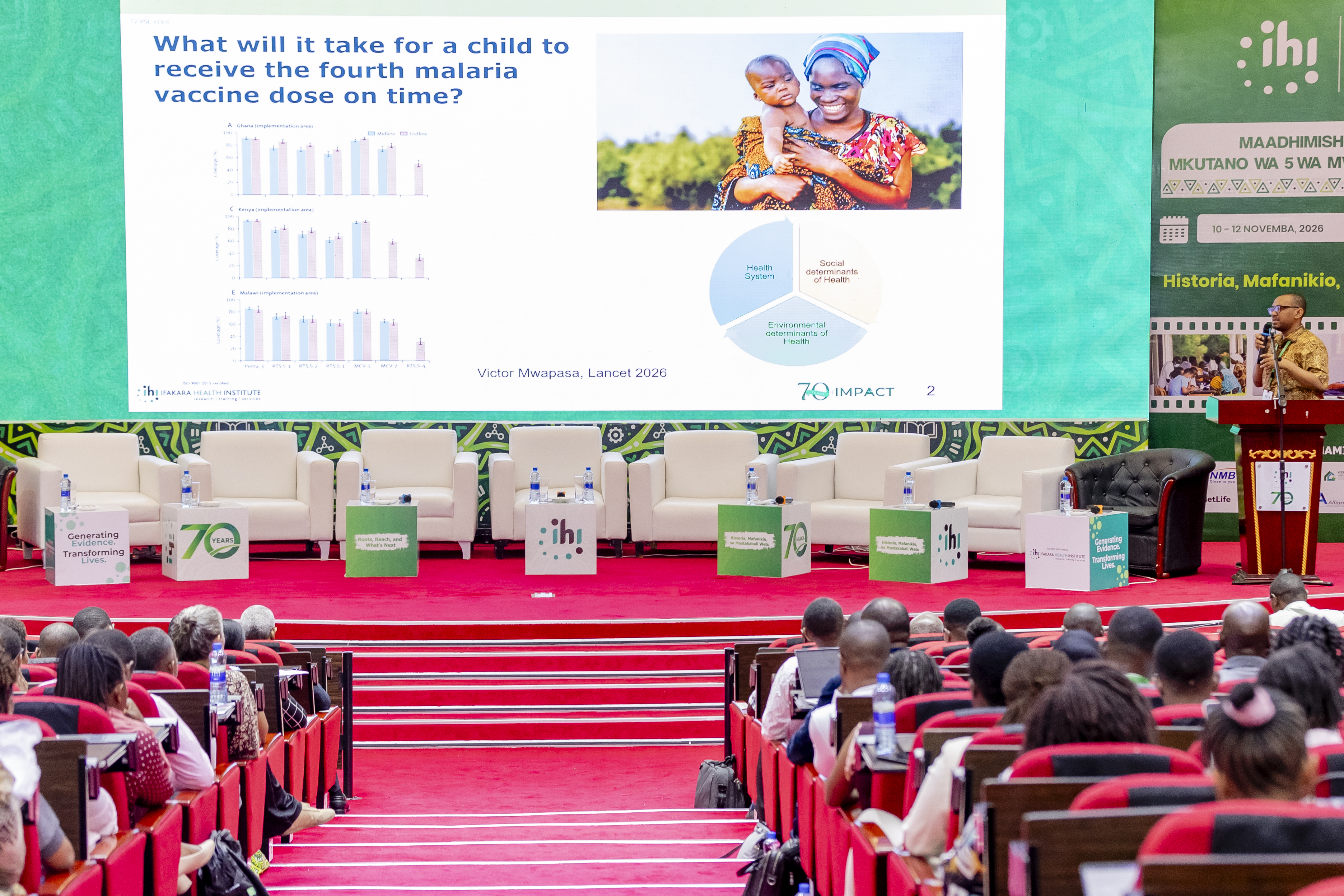
The Third Day of the Ifakara Health Institute (IHI) 70th Anniversary Celebrations & 5th Ifakara Annual Scientific Conference, held on November 12, 2026, at the APC Hotel & Conference Centre in Dar es Salaam, brought together scientists, institutional leaders and research partners to explore the future of African health research, emerging technologies and scientific innovation.
Held under the theme “Frontiers: The Next 70 Years,” the day's programme focused on the opportunities and challenges that will shape the next generation of health research, including artificial intelligence (AI), digital science, biomedical innovation, disease surveillance, outbreak preparedness and vector control.
Building on two days of reflections on Ifakara's scientific legacy, partnerships and the translation of research into public health impact, Day Three shifted attention towards the future, examining how African research institutions can strengthen their capabilities, embrace emerging technologies and develop the next generation of scientific leaders.
Envisioning the next 70 years of African science
The day opened with a visionary talk by IHI Chief Executive Director Dr. Ally Olotu, addressing the question: “What should the next 70 years of African Global Health Science look like?”
The session provided an opportunity to reflect on Ifakara's seven decades of scientific contributions while considering the institutional priorities, partnerships and investments needed to position African research for greater global impact.
This was followed by a panel discussion titled “The Voice of Scientists for the Next 70 Years,” bringing together Prisca Kweyamba, Lilian Moshi, Omar Hassan, Jacqueline Minja, Christina Myalla and Issa Mshani.
The discussion placed scientists at the centre of conversations about the future of research, providing a platform to explore emerging priorities, opportunities for scientific leadership and the role of the next generation in advancing African-led health research.
Exploring artificial intelligence and biomedical innovation
Artificial intelligence and its potential to transform health research featured prominently in the day's scientific discussions.
In a masterclass titled “From Algorithms to Action, AI Across Africa's Disease Burden,” Dr. Zac Mtema explored the growing relevance of AI in addressing health challenges across the continent.
The session was followed by a panel discussion on “Responsible Use of AI, Data and Biomedical Innovation for Africa's Disease Burden.”
Featuring Deus Ishengoma, Mwifadhi Mrisho, Deogracious Protas, Thomas Chali, Anitha Philbert, Mary Maige and Julie Makani, the discussion brought together perspectives on the opportunities and responsibilities associated with integrating emerging technologies into health research.
Together, the sessions highlighted the importance of considering scientific innovation alongside ethical research practices, responsible data use and the institutional capabilities needed to translate technological advances into meaningful health improvements.
Advancing research on emerging diseases, digital health and vector control
The afternoon programme featured parallel scientific sessions exploring next-generation science, technology and health systems.
The sessions covered three major research areas: emerging and re-emerging diseases, genomics and outbreak preparedness; AI, digital science and intelligent disease surveillance and response; and vector biology, behaviour and control.
These discussions provided opportunities for researchers to present scientific work, exchange knowledge and explore approaches to addressing current and emerging public health challenges.
The sessions also reflected the breadth of research being undertaken across the Institute and its wider scientific networks, from infectious disease surveillance and preparedness to innovative tools for understanding and controlling disease vectors.
Building the next generation of African research excellence
Looking beyond individual scientific discoveries, the programme also examined the institutional development needed to sustain research excellence in the coming decades.
In a future direction talk titled “What Can IHI Become? Building the Next Generation African Centre of Excellence for Health Research,” Susan Rumisha of the Malaria Atlas Project (MAP) East Africa Regional Node addressed the Institute's future direction.
The session provided a platform to consider how Ifakara can build on its scientific strengths, expand its research capabilities and continue contributing to health research in Tanzania, Africa and beyond.
The day's programme also included a memorial session, “Many Stories Within a Larger Legacy,” providing space to reflect on the people and contributions that form part of Ifakara's institutional history.
Recognizing scientific excellence and concluding three days of discussions
The final afternoon programme included an awards ceremony recognizing outstanding scientific presentations from the conference.
The Best Oral Presentation segment featured short presentations by the top five presenters from Days Two and Three, providing an opportunity to showcase research contributions and recognize scientific excellence.
Across the three days, the conference has brought together researchers, policymakers, institutional leaders and partners to reflect on Ifakara's history, examine the translation of scientific evidence into practice and explore the future of African-led health research.
As Ifakara marks seven decades since its establishment in 1956, the anniversary provides an opportunity not only to celebrate past achievements but also to consider the people, partnerships and innovations that will shape its next chapter.
The celebrations continue on November 13, 2026, with the Bagamoyo Open House, where participants will have an opportunity to visit selected research and training facilities, including the Clinical Trial Laboratory, Transmission Zero, the Vector Control Product Testing Unit (VCPTU) and the Training Unit.
The IHI@70 celebrations are being held under the overarching theme “70 Years of Impact: Roots, Reach, and What’s Next,” reflecting the Institute's scientific journey and its continued commitment to improving health through research, training and innovation.