
WORKSHOP: Ifakara co-facilitated leadership sessions to strengthen malaria elimination efforts.
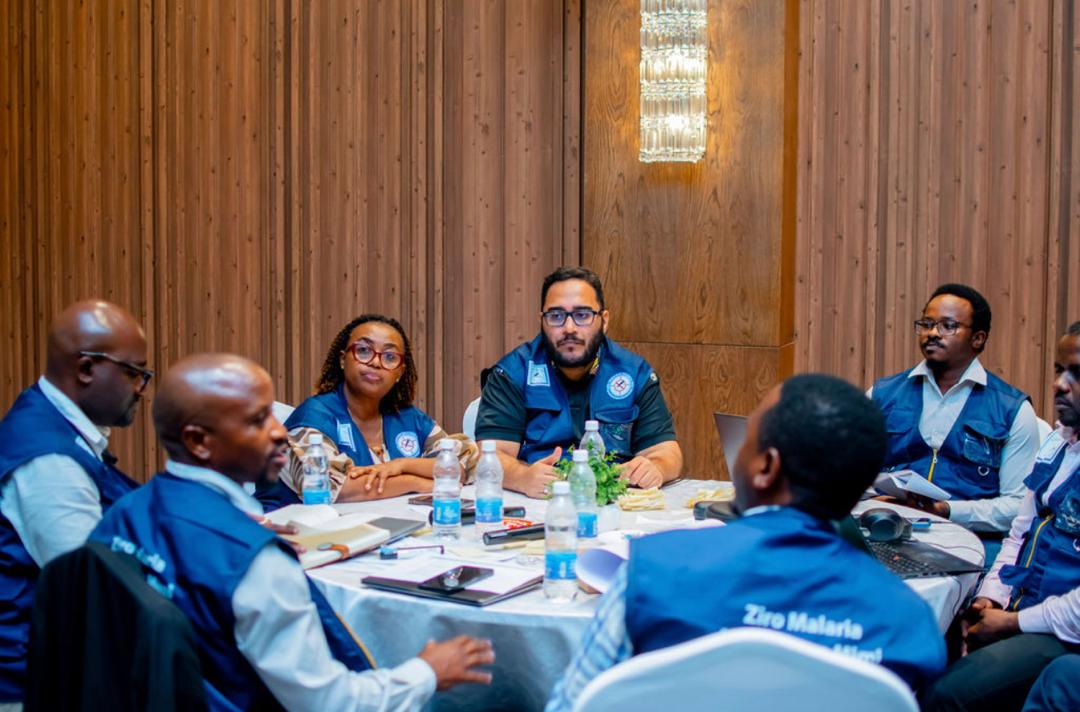
The Ifakara Health Institute (IHI) co-facilitated a workshop on Leadership, Engagement, Action and Delivery (LEAD), held from November 9–11, 2026, in Zanzibar. The workshop brought together representatives from the Zanzibar Malaria Elimination Programme (ZAMEP), the Ministry of Health and key partners under the MEZA initiative to strengthen leadership, governance and community engagement in efforts to improve health outcomes.
As Zanzibar continues its efforts towards malaria elimination, the three-day workshop provided an opportunity to examine challenges affecting programme implementation and explore how stronger collaboration between health authorities, implementing partners and communities can improve the delivery and effectiveness of health interventions.
Through interactive discussions, root cause analysis, process mapping and collaborative problem-solving exercises, participants examined operational challenges and identified practical approaches to improving coordination, accountability and evidence-informed decision-making. The discussions also highlighted the importance of understanding community needs and experiences when planning and implementing health interventions.
Connecting leadership with community needs
An important consideration throughout the workshop was the role of community engagement in translating health policies and strategies into meaningful improvements in people's lives.
Effective malaria elimination efforts depend not only on strong institutions and well-coordinated programmes but also on the participation and trust of the communities they serve. Engaging communities helps health programmes better understand local challenges, address barriers to accessing services and develop interventions that respond to people's needs and circumstances.
The workshop also reinforced the importance of strengthening communication and accountability between health programmes and communities, ensuring that local perspectives can inform decisions and that communities are recognised as partners in improving health outcomes rather than simply recipients of services.
Beyond malaria elimination, these principles are relevant across the wider health system. Strong leadership, community participation and effective collaboration are essential for improving service delivery, strengthening resource mobilisation, building sustainable partnerships and ensuring that health interventions reach those who need them most.
IHI's contribution reflects its continued commitment to strengthening health systems through technical support, capacity building and approaches that connect scientific evidence, programme leadership and community perspectives.
The workshop underscored the need to bring leadership, programme implementation and community engagement closer together, recognising that sustainable improvements in health outcomes require both effective institutions and the meaningful involvement of the people they serve.