

Principal Investigator: Dr. Maganga Sambo
Project leader/ Coordinator: Dr. Maganga Sambo
Project Administrator: TBC
Funding Partner: National Institute of Health (NIH)
Start date: Dec. 1, 2024
End date: Nov. 30, 2029
Improving Dog Vaccinations in Africa
Ifakara Health Institute is conducting a new project to enhance dog vaccination efforts in Africa. This project, titled A Development and Feasibility Study to Pave the Way for Effective, Synchronized Dog Vaccination Campaigns in Africa, aims to enhance the way dog vaccinations are conducted, with the ultimate goal of improving public health outcomes and accelerating rabies elimination.
Funded by the National Institutes of Health (NIH), the project will be led by Dr. Maganga Sambo, a Senior Research Scientist at Ifakara. Spanning five years (2024-2029), the study will focus on testing synchronized mass dog vaccination (MDV) campaigns and evaluating their effectiveness against traditional approaches. The study will be conducted in Tanzania’s Morogoro region, specifically in Ulanga, Malinyi, and Ifakara districts.
The project is driven by three central hypotheses:
- Increased Participation: Synchronized MDV campaigns, broadly advertised through mass media, will increase dog owners’ participation.
- Cost Efficiency: Synchronized (short-duration) MDVs will lead to more dogs being vaccinated, resulting in reduced overall delivery costs.
- Public Health Outcomes: Synchronized (short-duration) MDV delivery will improve public health outcomes and achieve elimination more rapidly than standard team-led (asynchronous) MDV
The project’s objectives include:
- To identify the most effective media campaign strategies in Tanzania for encouraging MDV participation.
- To test the effectiveness of synchronized vaccination delivery with mass media interventions versus those without, and traditional team-led approaches.
- To quantify the delivery costs of MDV campaigns across the trial’s three arms and assess the sustainability of each MDV delivery strategy.
- To quantify resulting public health outcomes on human rabies exposures and forecast the expected impact beyond the time of the project.
The project will employ a cluster-randomized control trial with three different implementation arms:
- Arm A: Traditional MDVs will be conducted, serving as a baseline comparison for the other approaches. MDVs Will be carried out concurrently with Arm B. one month before Arm C
- Arm B: Synchronized MDVs (without mass media) will be carried out concurrently with Arm A.
- Arm C: Synchronized MDVs with mass media campaigns will begin after the completion of Arms A and B to avoid information leakage.
Why the study matter?
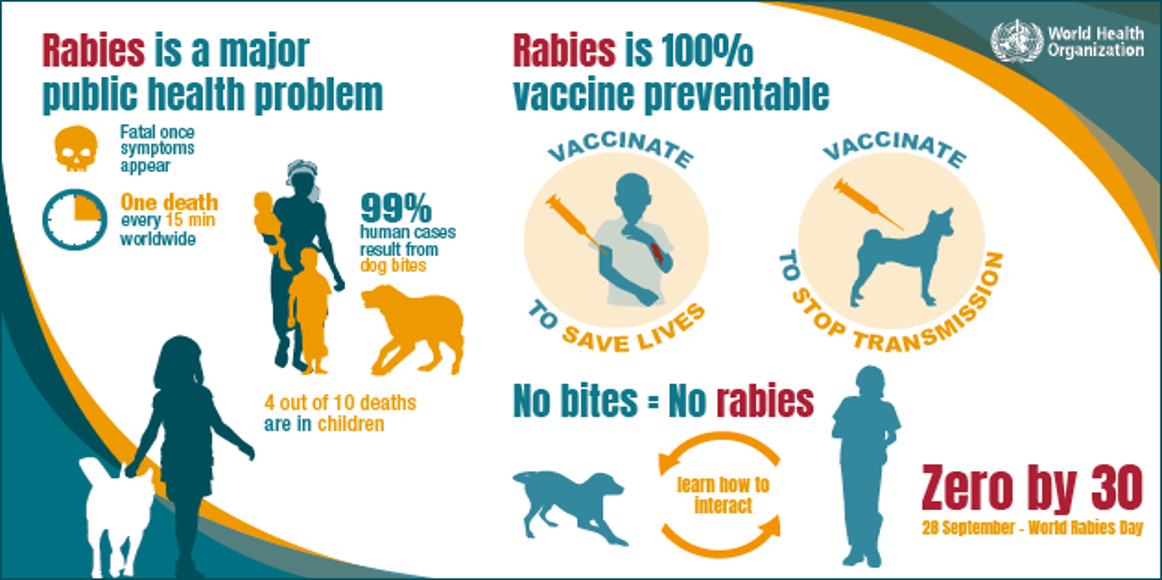
Rabies remains a serious public health threat in over 150 countries and territories, mainly in Asia and Africa, with domestic dogs serving as the primary reservoir of the virus. It is a viral, zoonotic, neglected tropical disease that causes tens of thousands of deaths annually, with 40% being children under 15.
Dog bites and scratches cause 99% of human rabies cases, and can be prevented through dog vaccination and bite prevention. This project holds the potential to transform how rabies is controlled and eventually eliminated, saving countless human and animal lives.
Ifakara Health Institute’s commitment to scientific excellence and public health innovation ensures that this project will not only address immediate challenges but also pave the way for sustainable, long-term solutions. As the study progresses, its findings could serve as a blueprint for similar interventions across the continent and globally.