

CRITICAL CARE: Prioritizing revolutionary, more effective approach
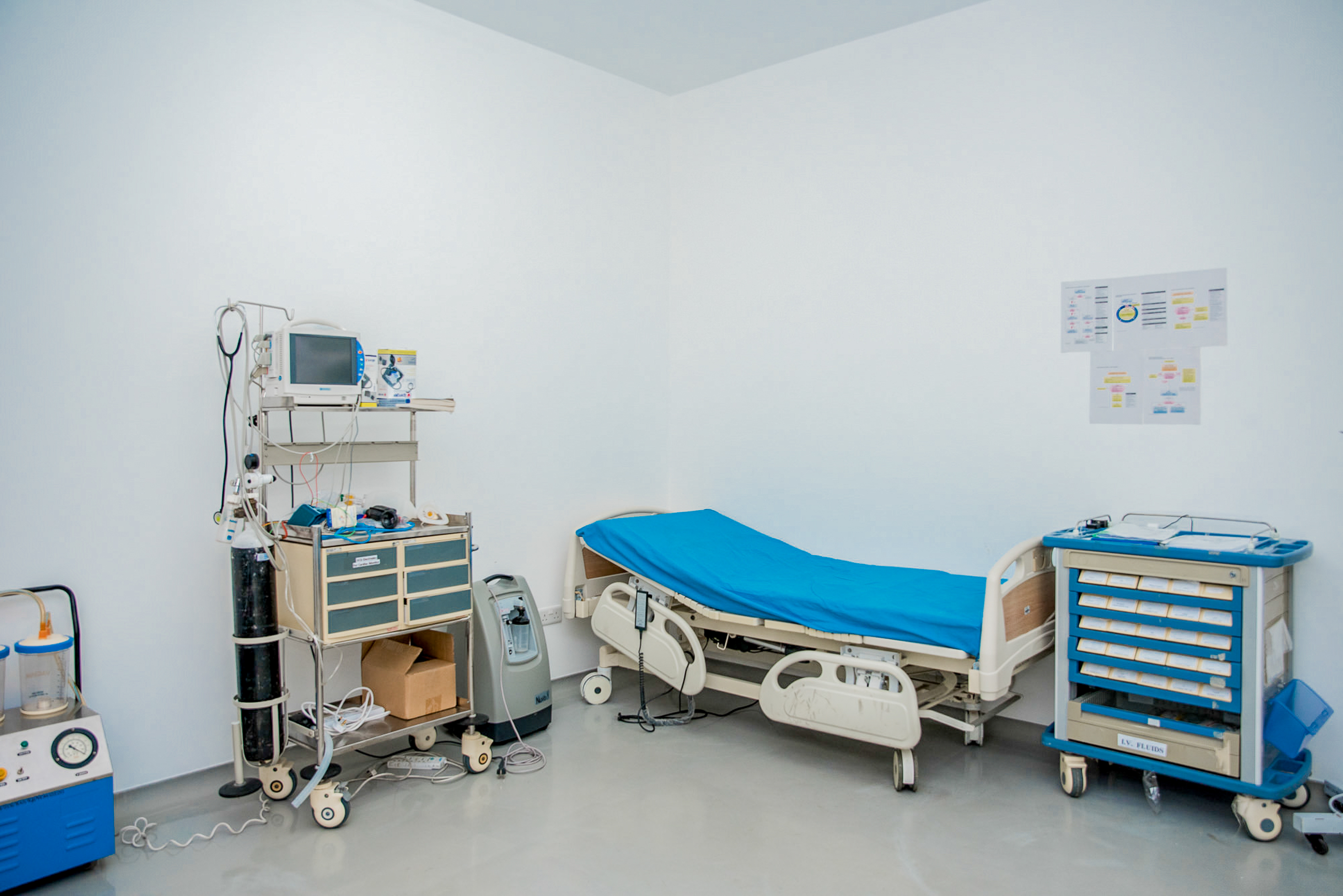
In a recent study, scientists at Ifakara Health Institute and partners call for a shift in the approach to caring for critically ill patients, particularly in the context of the COVID-19 pandemic in Kenya and Tanzania. They recommend prioritizing Essential Emergency and Critical Care (EECC) over traditional intensive care units (ICUs) – a move they believe could make intensive care less necessary or even eliminate the need for it.
Scientists who worked together for the study and publication came from KEMRI, Kenya; University of Oxford, UK; Muhimbili University of Health and Allied Sciences, Tanzania; Ifakara Health Institute, Tanzania; London School of Hygiene and Tropical Medicine, UK; Centre for Global Development, UK; Karolinska Institute, Sweden; Uppsala University, Sweden; Nyköping Hospital, Sweden; and Karolinska Institute, Sweden.
The scientists highlight that the ability to provide EECC is hampered by various challenges, including a lack of essential resources such as skilled health workers, as well as issues with the functionality and sufficiency of available resources.
The scientists also stress the importance of addressing organizational and procedural challenges in addition to technological and training aspects. They argue that efforts to improve care for critically ill patients should take a comprehensive approach.
A couple of challenges to address
The scientists found that hospitals were generally poorly prepared to cater to the basic needs of those with critical illness. “For example, national referral hospitals described uniform triage processes within their emergency departments, but triaging systems in all hospitals’ wards and in the emergency departments of general hospitals were largely absent.”
“Importantly, in both countries, even if hospitals that had equipment and materials required to institute EECC, they typically lacked the management systems and routines for the proper deployment and use of these resources,” they report, adding: “In Tanzania, personnel with any relevant training were available in the facilities on average less than 50% of the time.”
“Skills deficits exacerbated substantial human resource shortages across both countries, particularly in more rural or smaller hospitals; they are a fundamental limitation to the proper treatment of the critically ill patients,” write the scientists in their paper published on the BMJ Global Health journal on November 2, 2023.
Lack of good continuous care
Ensuring ongoing, quality care for critically ill patients is crucial for extended periods. Analyzing patient journeys in Kenya and Tanzania revealed errors and risky delays due to a lack of Essential Emergency and Critical Care (EECC) planning across hospitals.
Scientists note that insufficient organizational responses have created a problematic situation, with a seeming push to discharge patients quickly while limiting new arrivals. This approach has resulted in critically ill patients facing dangerous delays in receiving timely care.
Global response gaps
The study also sheds light on global response gaps during the pandemic, initially centered on technology and training while neglecting crucial organizational and procedural challenges.
Efforts primarily focused on procuring ventilators and later oxygen, overlooking systemic issues. The article cautions against a myopic focus on hardware and training, underscoring that neglecting wider system challenges can undermine the effectiveness of critical care.
“The result was national governments, multilateral agencies and private philanthropy urgently sourcing and distributing equipment such as ventilators. Unfortunately, in our opinion, this response ignored prior information from existing health facility readiness assessments and research. While it was true that Kenya and Tanzania had very few ventilators, it was also known they had an extreme shortage of medical, nursing and other specially trained personnel able to manage ventilated patients.”
From the lessons gathered, scientists proposed a five-part strategy to support the needed system changes for caring for critically ill patients in a more holistic and effective manner, taking into account the challenges identified in the transitions between departments, timeliness, continuity, and delivery of care.
The Five-part strategy
First, countries should understand that providing Essential Emergency and Critical Care (EECC) is not just a clinical issue but involves the entire healthcare system. Secondly, countries need to figure out how big their healthcare problems are before making changes for EECC.
The third is to get everyone on board – from top to bottom of the health system – to work together for meaningful changes in EECC. The fourth is the need for new resources, strong leaders, and smart incentives (not just money) to support the changes needed in healthcare. Lastly, to make EECC a standard part of good healthcare, the people leading the changes must be given the power to keep things going for a longer time than usual programs.
The study was led by Mike English, with contributions from Tim Baker and Elibariki Mkumbo, who represented Ifakara. Other contributors are Jacquie Oliwa, Karima Khalid, Onesmus Onyango, Tamara Mulenga Willows, Rosanna Mazhar, Lorna Guinness, Carl Otto Schell, and Jacob McKnight from Ifakara partners in Tanzania, Kenya, the UK and Sweden.
>> Read the publication here.