
EULOGY: Honouring a Life of Science, Service, and Mentorship
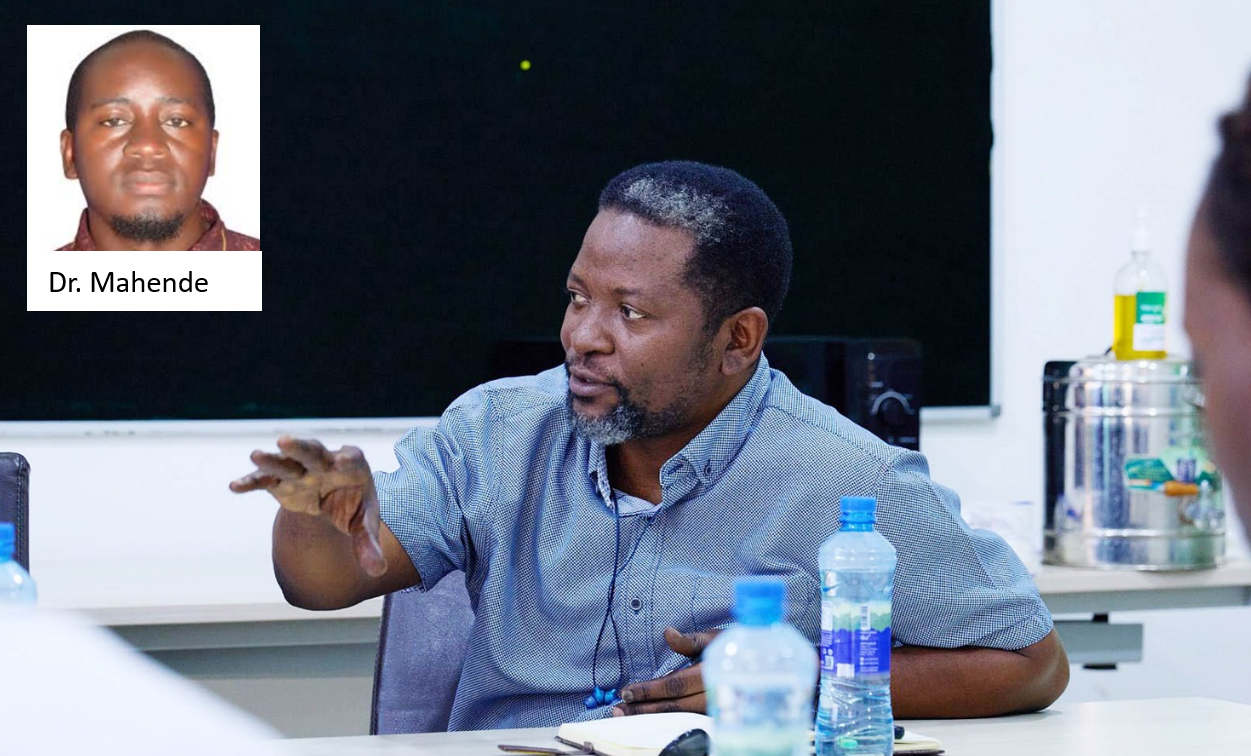
>> Writes: Dr. Muhidin Mahende
It is never easy to write a eulogy—especially for someone so dear. Yet, on occasions such as this, it becomes necessary to pause, reflect, and give voice to the truths shaped by our shared journeys.
With a heavy heart, I write to honor the life and legacy of my brother, mentor, colleague, and close friend, Dr. Prosper Pius Chaki, a distinguished scientist who passed away on 24 January 2026 at the Muhimbili National Hospital in Dar es Salaam.
This is only the second time in my life that I have had to undertake this painful but important duty.
First Encounters and a Growing Bond
I was first introduced to Dr. Chaki in 2015 by the late Dr. Irene Masanja at the FDC offices in Ikwiriri, then home to IHI offices. It was a quiet evening when she said to me, “Mdogo wangu, bosi mkubwa amekuja—usijifiche. Watu wengi hawakujui, jitambulishe.” At the time, she was hinting at my possible involvement in the ACOBISREM project, an ambition that would only materialize a year later.
We exchanged a few words that evening and met occasionally thereafter at the Dar es Salaam office, until 2016, when I officially joined the project in Rufiji, replacing Dr. Mwaka Kakolwa as Study Coordinator.
A Scientist of Global Impact
Dr. Chaki was a renowned medical entomologist whose work significantly advanced malaria research and vector control in Tanzania and beyond. Through his service at the Ifakara Health Institute and other research bodies, he became a pillar of scientific excellence, integrity, and mentorship.
His contributions shaped policies, strengthened research capacity, and improved the health of communities—not only nationally, but globally.
Working Under His Mentorship (2016–2022)
I had the rare privilege of working closely with Dr. Chaki between 2016 and 2022 on major malaria initiatives, including the ACOBISREM Project in Rufiji and the IPTI Project in Lindi Region. Through these years, I came to know him not only as a brilliant scientist, but as a leader who trusted, empowered, and believed in those he mentored—without hesitation.
Allow me to share three moments that remain deeply etched in my memory.
1. Trust at the Highest Level
One defining moment was when Dr. Chaki entrusted me to travel to Lindi Region to conduct a high-level stakeholder meeting with the Regional Security Council as part of the IPTI project. The meeting brought together senior leaders—one Regional Commissioner, five District Commissioners, five District Executive Directors, the Regional Administrative Secretary, the Regional Security Officer, and other senior officials. It was chaired by the then Regional Commissioner, Hon. Godfrey Zambi.
This was no ordinary assignment—especially as it followed the lifting of the COVID-19 restrictions on research activities in Tanzania. During that meeting, one committee member alone posed 17 questions, most of them focused on COVID-19 rather than malaria prevention in infants—the actual subject of the meeting. In total, I responded to 37 questions. It felt like defending a PhD thesis.
My colleague Mr. Felix Brown, who was present, may vividly recall that intense session—despite the air conditioners working perfectly. By assigning me this responsibility, Dr. Chaki demonstrated extraordinary confidence in my abilities. It was a defining moment in my professional growth.
2. Stepping Aside to Let Others Lead
In November 2019, the ACOBISREM project received a high-profile visit in Rufiji District from the retired President of Tanzania, H.E. Hon. Jakaya Mrisho Kikwete, accompanied by Dr. Diallo, then CEO of Roll Back Malaria, and other delegates from the African Leaders Malaria Alliance (ALMA).
On the same day, Dr. Chaki was scheduled to travel to Rwanda for PAMCA activities, with a flight departing at 4:00 p.m. He quietly told me, “I will give the presentation at the office, then the ball is in your court. I will disappear to Dar and then Kigali—you and the team will handle the rest.” He assured me that Prof. Honorati Masanja, our (IHI) Director, was fully aware.
With the support of colleagues—Tegemeo Gavana, Mihayo Gabriel, Exavery, Hajirani Msuya, and others—we successfully managed the remaining activities in his absence. The delegation departed highly satisfied. Once again, Dr. Chaki had chosen to step aside so others could grow.
3. A Lesson in Leadership and Integrity
The final moment I wish to share took place in November 2020, during a meeting in Dr. Chaki’s office, in the presence of Dr. Sixbert Mkude. Dr. Chaki openly expressed his admiration for my hard work, resilience, and positive attitude under difficult field conditions.
He then asked a question I could not answer:
“Several people come here reporting issues about your leadership, yet you have never come to complain about anyone. What exactly is the problem?”
I remained silent. Dr. Mkude answered on my behalf.
Dr. Chaki then shared words that continue to guide me to this day:
“Usimuonee mtu, wala usimpendelee mtu katika uongozi—utafanikiwa.”
It was a profound lesson in fairness, restraint, and integrity in leadership.
The Leader He Was
Dr. Chaki believed deeply in building local capacity and solving problems using local expertise. He invested generously in young scientists, encouraging discipline, critical thinking, and perseverance. He did not merely manage projects—he shaped careers.
If I were to mention his only “sweet weakness,” it would be his laser‑fair leadership style. In fragile situations, he chose words carefully, even when others might have opted for confrontation. Calmness was his strength.
Beyond academia, he was approachable, principled, and humble. He believed that science must serve society—and that the most effective interventions are those implemented by communities themselves, as demonstrated through initiatives such as larviciding and test‑treat‑track interventions in Rufiji, Kilwa, and Kibiti districts.
A Legacy That Endures
Dr. Prosper Chaki’s legacy is written not only in scientific publications and successful projects, but in the lives and careers of those he mentored and inspired—among them Dr. Yeromin Mlacha and Dr. Tegemeo Gavana, Godlove Chila, and Silas Temu.
As we mourn his passing, we also celebrate a life of profound impact.
May his family, the Ifakara Health Institute, and the global public health community find comfort and strength during this difficult time. And may we honor his memory by continuing the work he so passionately believed in—with the same excellence, integrity, and dedication that defined his life.
Your legacy lives on—forever.