
WORKSHOP: Strengthening capacity to tackle climate-related malaria risks
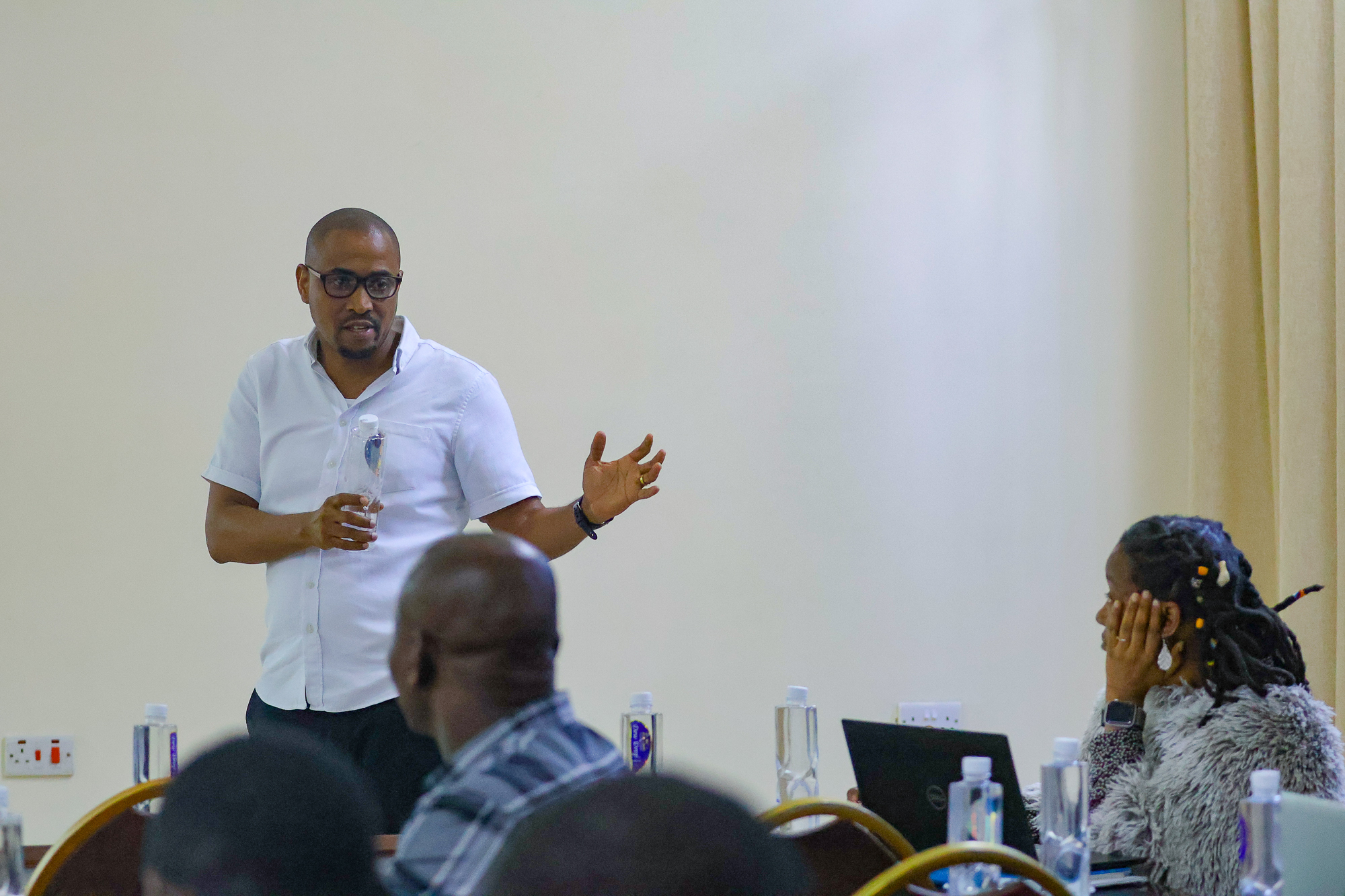
The Climate Modelling Project, implemented by the Ifakara Health Institute (IHI) in collaboration with national and international partners, convened a three-day stakeholder workshop in Morogoro to strengthen the use of climate and malaria modelling data for better planning and policy decision-making.
Held from January 21 to 23, the workshop brought together participants from Ifakara, the Ministry of Health, the National Malaria Control Programme (NMCP), the Tanzania Meteorological Authority (TMA), thue University of Dar es Salaam, HISP Tanzania, PMO-PO-RALG, The Nelson Mandela African Institution of Science and Technology (NM-AIST) and Inuka Africa.
The meeting aimed to improve coordination, technical capacity, and data use to better understand and respond to the effects of climate variability and extreme weather events on malaria transmission, thereby enabling the identification of minimum essential climate and malaria data for informed decision-making
Aligning data, models, and policy needs
During the discussions, stakeholders explored ways to strengthen collaboration by aligning working relationships, agreeing on priority modelling needs, harmonising climate, environmental, and health data, and reviewing modelling outputs to ensure they are relevant and useful for decision-makers.
By strengthening cross-sector collaboration, the workshop provides a platform to ensure that climate-informed malaria models effectively support national preparedness and response efforts.
Ifakara scientists lead technical sessions
The workshop was facilitated by a team of Ifakara scientists Dr. Yeromin Mlacha, Dr. Betwel Msugupakulya, Dr. Irene Moshi, and Ninael Jonas.
About the Climate Modelling Project
The workshop contributes to the broader initiative titled “Modelling Climate Impacts on Malaria in Tanzania and Mozambique,” commonly referred to as the Climate Modelling Project. The four-year project (2024–2028) aims to develop a comprehensive, data-driven modelling framework and build capacity to support policy-making and enhance preparedness for climate-related malaria risks in Africa, with a focus on Tanzania and Mozambique.
Funded by the Bill & Melinda Gates Foundation, the project is implemented by the Ifakara Health Institute in collaboration with the Liverpool School of Tropical Medicine (UK), the University of North Carolina (USA), the University of the Witwatersrand (South Africa), and Tanzanian institutions including Muhimbili University of Health and Allied Sciences (MUHAS) and the University of Dar es Salaam (UDSM).
Learn more, here.