
HIV: Why new infections persist in Eastern, Southern Africa
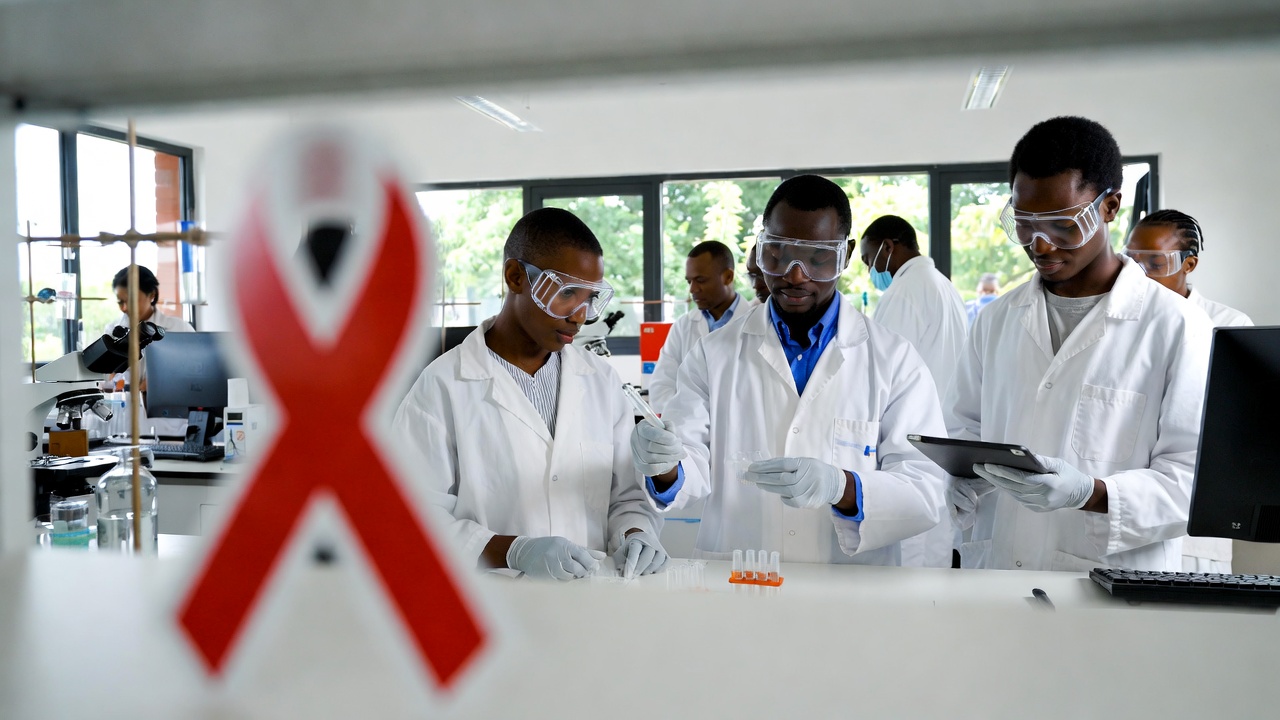
A new study co-authored by scientists from Ifakara Health Institute has identified key reasons why new HIV infections continue to occur in Eastern and Southern Africa, despite years of progress in prevention and treatment.
Published in Nature Communications, the study analysed long-term population data collected between 2005 and 2016 from six countries—Tanzania, Kenya, Uganda, Malawi, Zimbabwe, and South Africa. The analysis focused on nearly 99,000 adults aged 15 to 49 who were HIV-negative at the start of the study.
The research brought together scientists from multiple institutions across the region and includes contributions from Ifakara Health Institute researchers Ramadhani Abdul, Eveline Geubbels, and Charles Festo.
Individual behaviour, community both shape HIV risk
The findings show that HIV risk is influenced by both individual behaviours and community-level factors and that where people live can matter just as much as individual choices.
Living in a community with a high prevalence of untreated HIV infection significantly increased the risk of HIV risk for both men and women, regardless of age or whether individuals engaged in behaviours traditionally considered high risk.
Women continue to face higher HIV risk
The analysis show that women—especially young women—remain disproportionately affected by HIV. Factors such as new sexual partnerships and changes in marital status were strongly associated with new HIV infections among women, pointing to persistent gender and social vulnerabilities across the region.
Among men, community-level patterns—such as high partner turnover within the population—played a stronger role in HIV risk than individual behaviours alone.
Age, sex, and place matter
HIV risk also varied by age and sex. HIV incidence was higher among adults aged 25 to 49 who lived in communities where men reported high rates of acquiring new sexual partners. This finding suggests that community sexual behaviour patterns can strongly influence individual HIV risk.
Overall, the prevalence of HIV risk factors varied widely by country, age group, and sex, underscoring the idea that a “one-size-fits-all” approach to HIV prevention is unlikely to be effective.
Why these findings matter for HIV prevention
For more than two decades, HIV prevention efforts have focused heavily on individual behaviour change, including condom use and reducing the number of sexual partners. While these approaches remain important, the study shows that they are not sufficient on their own.
When communities experience gaps in HIV testing, delays in treatment initiation, or low levels of viral suppression, the risk of new HIV infections remains high—even among people who take preventive measures.
Using community data to target prevention efforts
The researchers conclude that HIV prevention efforts could be more effective if they are better aligned with people’s life stages and patterns of behaviour, and if community-level data—such as HIV treatment coverage and local sexual behaviour patterns—are used to guide more targeted interventions.
“Our results show potential for improved prevention through changed timing of prevention interventions relative to behaviour and the utility of using community characteristics to target prevention,” the researchers note.
Read the publication, here.