

MEETING: Ifakara, Z’bar experts review strategies for curbing antibiotic overuse
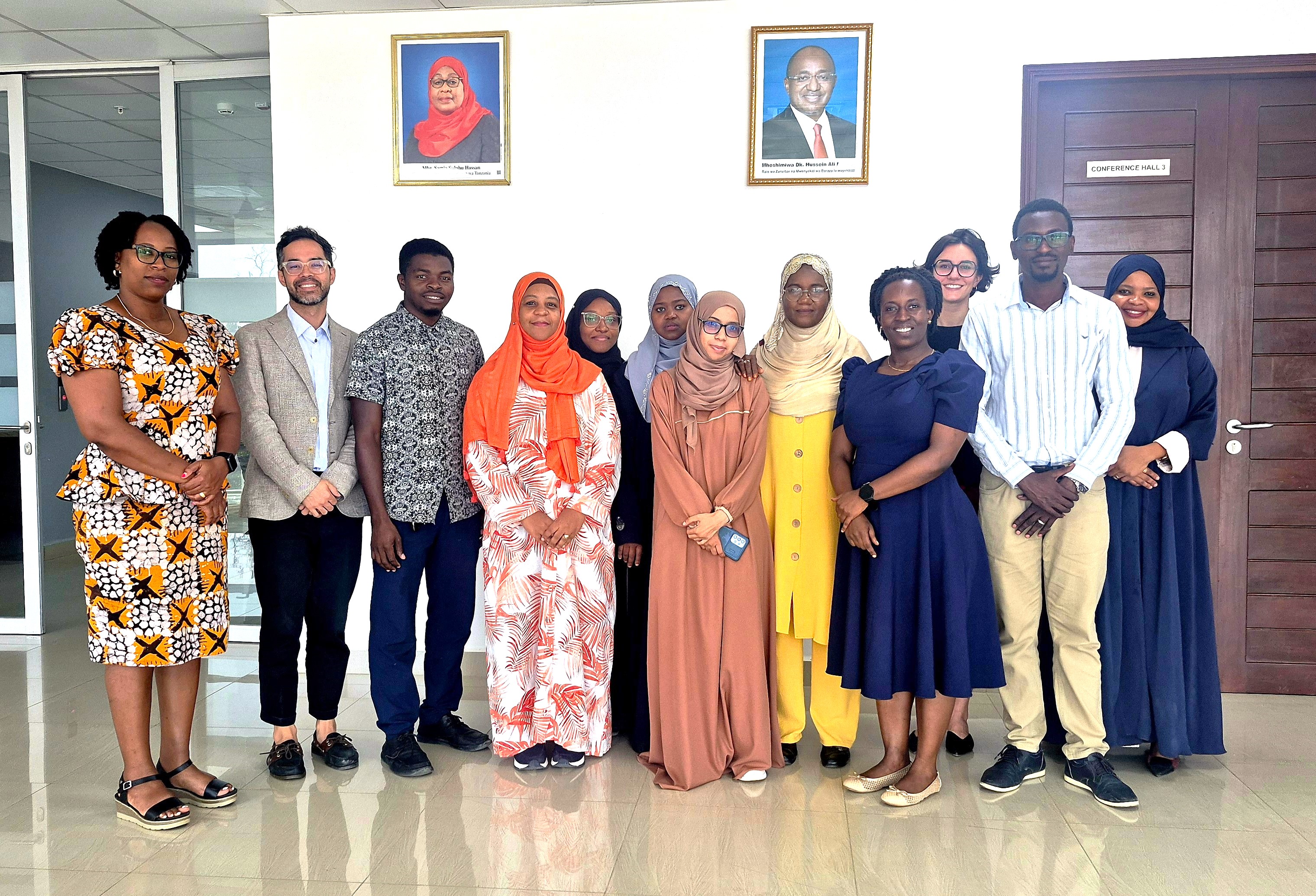
On February 12, 2026, the MOCA project, implemented by the Ifakara Health Institute in Tanzania in collaboration with the Centre for Primary Care and Public Health (Unisanté), University of Lausanne, Switzerland, the Ministry of Health Zanzibar, and the Zanzibar Health Research Institute (ZAHRI), convened a Project Advisory Board and Expert Committee review meeting in Zanzibar to discuss strategies for reducing the overuse of antibiotics in healthcare settings.
The meeting brought together stakeholders from the Ministry of Health Zanzibar, Ifakara Health Institute, ZAHRI, and Unisanté, where they discussed the goals, methodology, and implementation of MOCA project.
During the meeting, the MOCA project team provided expert technical review and guidance on the MOCA project interventions, ensuring that they are clinically sound, context-appropriate, and scalable within Zanzibar’s primary healthcare system.
MOCA (Mobile Health & Clinical Mentorship for Safe Antibiotic Stewardship), also known as Digital Antibiotic Stewardship and Training for Health Workers (DAWA), is a three-year project funded by the Swiss National Science Foundation (SNSF).
MOCA aims to tackle antimicrobial resistance (AMR) by reducing the overuse of antibiotics in healthcare settings in Zanzibar. The project seeks to introduce Digital Clinical Decision Support Algorithms (CDSAs)—tools that guide healthcare providers to make appropriate diagnoses and treatment during primary care consultations.
Learn more about MOCA Project here.
Health officials urge responsible antibiotic use
The Director of Health Promotion and Education, Dr. Salim Slim, called on the public to avoid using antibiotics without guidance from health professionals, warning that such practices drive drug resistance.
Dr. Slim made these remarks while opening the Drug Resistance Control Committee meeting at Maji House, Mwembemadema, held as part of the DAWA project implementation. He noted that some members of the public use antibiotics for conditions that do not require them, putting their health at risk.
“People have developed the habit of using antibiotics even for common colds or minor ailments, which are often not caused by bacteria. This is dangerous for their health,” he said.
He added that the government will continue community education to ensure that people understand that not every illness requires antibiotics, while urging doctors and pharmacists to follow treatment guidelines before prescribing them.
Project aims to strengthen digital health and training
For her part, Dr. Grace Mhalu, Principal Investigator of MOCA at Ifakara Health Institute, said the project aims to strengthen health services through digital technology and training for health workers.
She explained that, in collaboration with the Zanzibar Health Research Institute (ZAHRI), the team conducted research to understand antibiotic use trends in primary healthcare facilities across Zanzibar.
“Antibiotic use has increased globally, and incorrect use leads to drug resistance, which forces the use of stronger and more expensive drugs,” she said.
Dr. Mhalu warned that frequent and unnecessary use of antibiotics could result in patients failing to recover and even increase deaths from chronic infections.
The project will be implemented in 40 health facilities, where health workers will receive specialized training and patients will be educated to become ambassadors for responsible medicine use within their communities.
“We need the engagement of frontline health workers because they are the primary users of these systems,” she emphasized.
Timely project in a digitalizing health sector
Participants noted that the project comes at an opportune time, as the health sector continues to strengthen the use of electronic systems in service delivery. They highlighted that its implementation will improve efficiency, enhance data collection, and support accurate professional decision-making.