

COMMENTARY: Rethinking chronic disease care through community-led solutions
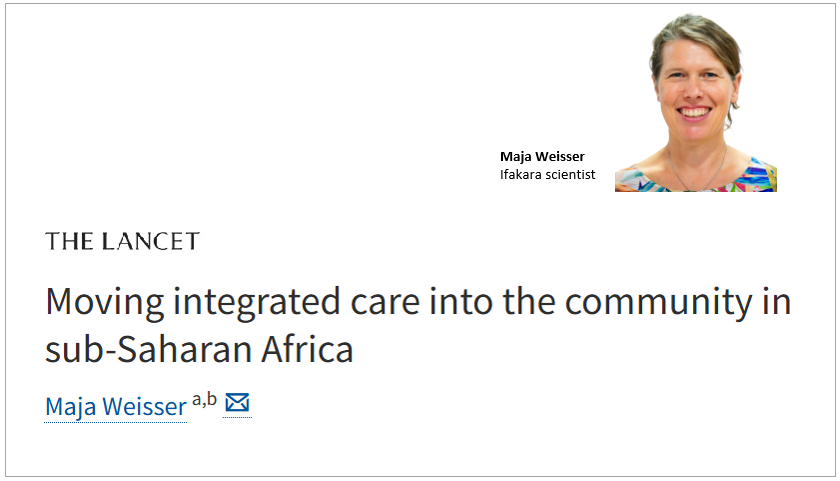
Bringing healthcare services closer to communities could be just as effective as hospital-based care for managing chronic diseases across sub-Saharan Africa, according to Maja Weisser of the Ifakara Health Institute.
Writing in The Lancet, she highlights how community-based, integrated care can support people living with HIV, diabetes and hypertension—offering a more accessible and sustainable approach to care.
“This trial adds important and robust evidence that integrated care in a community setting has similar effectiveness as facility-based care for patients with chronic stable conditions,” she writes.
Changing health needs
For years, many African countries relied on specialised, disease-specific programmes—particularly for HIV—to rapidly expand access to treatment. But as people live longer, health needs are changing.
Today, many patients are living with multiple conditions, including non-communicable diseases such as hypertension and diabetes. This shift, the commentary explains, “leads to an increasing need to transition vertical care programmes into integrated national health-care systems to ensure sustainability.”
Evidence from Tanzania and Uganda
Weisser points to findings from a large clinical trial conducted in Dar es Salaam and Kampala involving more than 1,700 adults with stable chronic conditions.
The study found that community-based care achieved similar results to facility-based services, with high HIV viral suppression (around 99%) and comparable control of blood pressure and blood sugar.
As the authors note, “the coprimary endpoint… was similar in both study groups at 12 months,” highlighting comparable outcomes between the two approaches.
Not a complete solution
However, the commentary notes that the evidence so far focuses on patients with stable conditions. It remains unclear whether the same approach would work as effectively for newly diagnosed or more complex cases.
There are also concerns that integrating services could increase workloads for already stretched healthcare workers if not properly supported.
Why it matters
Community-based care can reduce travel costs, ease pressure on crowded clinics and improve access to treatment. It may also help reduce stigma and increase patient retention.
With global health funding under pressure—including reforms to PEPFAR—integrated, community-based models could play an important role in building more sustainable health systems across the region.
Read the commentary, here.
We're a Registered Charity Organization in Tanzania
Ifakara Health Institute (IHI) is officially recognized as a charitable organization under the Income Tax Act. Certification issued on 20 March 2025 and valid until 31 December 2030.
Ifakara Health Institute (IHI) is officially recognized as a charitable organization under the Income Tax Act. Certification issued on 20 March 2025 and valid until 31 December 2030.