

HIV CARE: Tanzania makes major progress, but retaining patients is a challenge
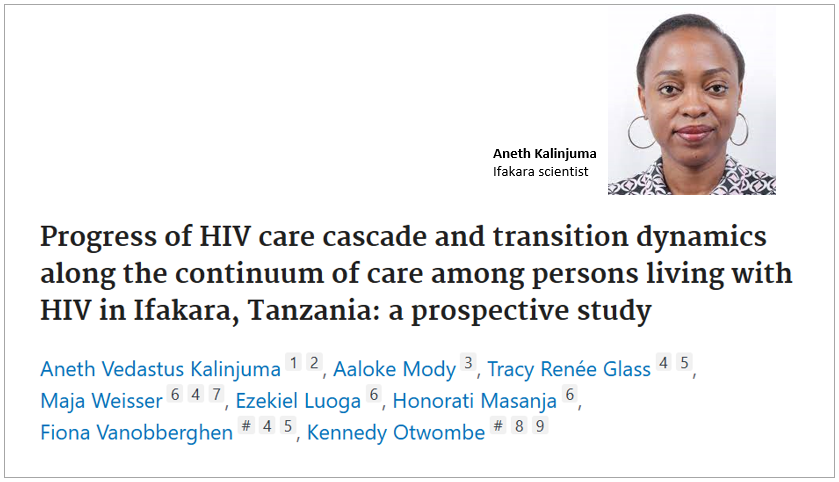
A long-term study in Tanzania has found that while access to HIV treatment and health outcomes have improved significantly, many patients struggle to remain consistently in care.
The research, published in BMC Infectious Diseases, followed more than 11,000 people living with HIV in Ifakara between 2005 and 2022. It was led by Aneth Vedastus Kalinjuma from the Ifakara Health Institute, with contributions from international collaborators.
Treatment uptake improved a lot over time
Researchers found that nearly all patients enrolled in care began antiretroviral therapy (ART), increased from 67% in earlier years to 96%. Among those who remain in care, 95% achieved viral suppression, meaning the virus is effectively controlled the risk of transmission is reduced.
“In cross-sectional analyses, viral load suppression was high, with the UNAIDS third 95 target achieved among patients on treatment and retained in care,” the authors said. “However, longitudinal analysis showed varied risks of transitioning in and out of care.”
Retention remains a key challenge
Despite these improvements, the study highlights ongoing challenges in retaining patients. Within the first year of enrolment, fewer than half (45%) remained consistently in care, while about a quarter (24%) were lost to follow-up.
However, some patients who dropped out later returned. The researchers found that about 34% of those lost to follow-up returned to care within a year, suggesting that patient engagement is often not continuous, but a cycle.
Why this matters
Starting HIV treatment is no longer the main challenge—staying in care is. While viral suppression rates are high, gaps in continuity of care risk undermining these gains.
Improving retention is essential not only for individual health outcomes, but also for reducing HIV transmission at the population level. Without consistent care, patients are more likely to experience treatment interruptions, poorer health outcomes and increased risk of passing on the virus.
Early months identified as critical
The study identifies the first 12 months after enrolment as a critical period, with the highest risk of patients disengaging from care. It also highlights the importance of supporting those who have dropped out to return to treatment.
“To improve retention in care, interventions should focus on the first 12 months after enrolment with enhanced tracing of PLHIV who are LTFU to ascertain their outcomes” noted the researchers.
Patients who started treatment early were more likely to stay in care, while those with more advanced illness faced greater challenges in maintaining consistent engagement.
Call for stronger follow-up and flexible care
The findings suggest that while expanding access to treatment has been successful, more attention is needed to ensure patients stay in care over time. The researchers say this could include improved follow-up systems, more flexible services and targeted support during high-risk periods.
The team behind the study
The study was led by Ifakara scientist Aneth Vedastus Kalinjuma, with joint senior authors Fiona Vanobberghen from Swiss TPH and Kennedy Otwombe from the University of the Witwatersrand.
Contributing authors include Maja Weisser, Ezekiel Luoga, Honorati Masanja – all from Ifakara; Aaloke Mody from Washington University and Tracy Renée Glass from Swiss TPH.
Read the publication, here.
We're a Registered Charity Organization in Tanzania
Ifakara Health Institute (IHI) is officially recognized as a charitable organization under the Income Tax Act. Certification issued on 20 March 2025 and valid until 31 December 2030.
Ifakara Health Institute (IHI) is officially recognized as a charitable organization under the Income Tax Act. Certification issued on 20 March 2025 and valid until 31 December 2030.