
REVIEW: Mosquito data gaps may limit what malaria trials can teach us
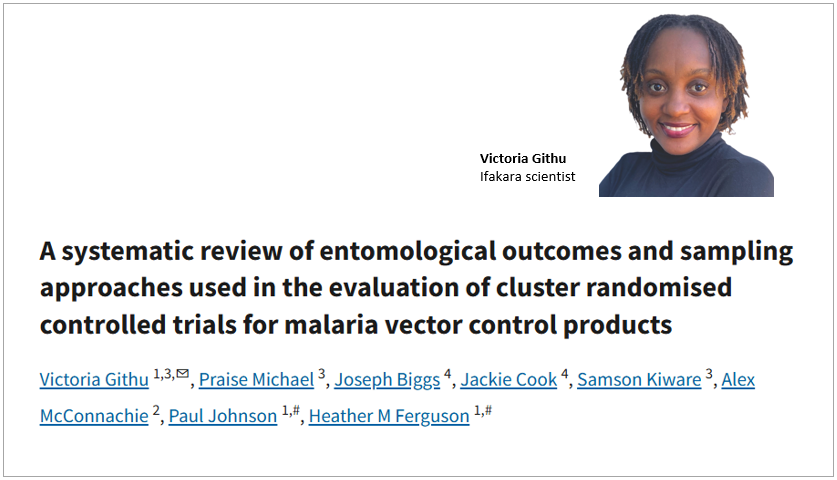
Scientists at the Ifakara Health Institute and partners in the UK after reviewing decades of malaria research have revealed important weaknesses in how mosquito data is measured and designed in malaria vector-control trials.
The study, published in the Malaria Journal recently, examined 62 malaria vector-control trials conducted between 1992 and 2021 across Africa and other malaria-endemic regions.
While most studies carefully measured health outcomes like malaria infection and disease, the review found that mosquito-related data was often collected using inconsistent methods. In many cases, researchers did not clearly explain how mosquito sample sizes were decided or how households for mosquito collection were selected.
Why it matters
Mosquito data helps explain whether an intervention is actually affecting mosquito populations the way scientists expect. Without strong entomological data, it becomes harder to understand why some interventions succeed, why others appear to fail, and whether products are being dismissed too early.
Researchers say improving mosquito data collection does not always require major extra costs. Simple improvements in planning, random sampling, and reporting could make malaria trials much more informative and easier to compare across countries and settings.
Ifakara scientist led the research
The study was led by Ifakara Health Institute scientist Victoria Githu, who served as lead author. Paul Johnson and Heather Ferguson from the University of Glasgow were joint senior authors.
Other contributors included Praise Michael and Samson Kiware from Ifakara Health Institute, Alex McConnachie from the University of Glasgow, and Joseph Biggs and Jackie Cook from the London School of Hygiene and Tropical Medicine.
Read the publication here.
We're a Registered Charity Organization in Tanzania
Ifakara Health Institute (IHI) is officially recognized as a charitable organization under the Income Tax Act. Certification issued on 20 March 2025 and valid until 31 December 2030.
Ifakara Health Institute (IHI) is officially recognized as a charitable organization under the Income Tax Act. Certification issued on 20 March 2025 and valid until 31 December 2030.