

DIAGNOSTICS: Why are some HIV patients with TB still dying before detecting it?
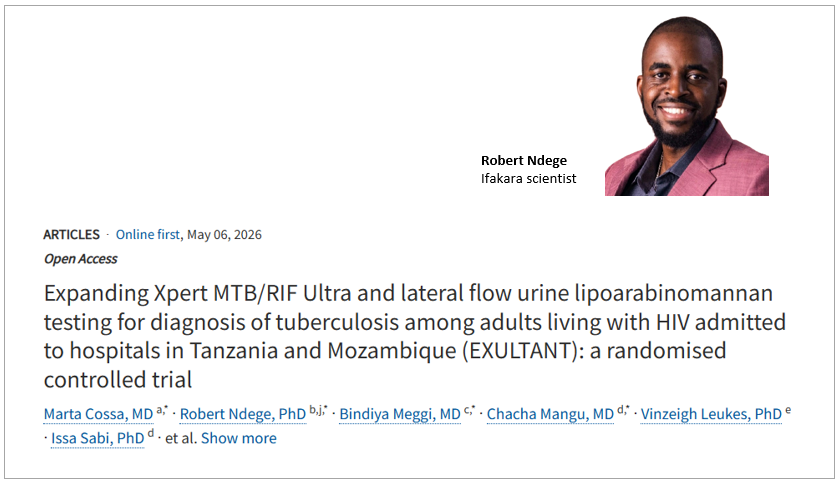
Despite advances in tuberculosis diagnosis, a new study in Tanzania and Mozambique suggests that many critically ill people living with HIV are still dying before TB can be detected and treated in time.
Researchers testing an expanded screening strategy using urine, stool and sputum samples found that broader testing alone did not significantly reduce deaths or speed up treatment among hospitalized HIV patients.
The findings, published recently in The Lancet, highlight the ongoing challenge of diagnosing TB in severely ill HIV patients and raise questions about what more is needed to save lives.
Thousands of patients involved in the trial
Conducted between 2022 and 2024 as part of the EXULTANT trial, the study involved more than 1,100 adults admitted to 11 hospitals across Tanzania and Mozambique. Researchers say it is the first randomized trial among hospitalized adults living with HIV to test whether expanded TB screening using Xpert Ultra on stool, urine and sputum samples could improve patient outcomes.
Why this matter
Tuberculosis remains one of the leading causes of death among people living with HIV, particularly in sub-Saharan Africa. Diagnosing TB in hospitalized HIV patients is challenging because many are too weak to produce sputum samples, while others develop forms of the disease outside the lungs, making detection harder.
Researchers wanted to know whether using additional sample types — including urine and stool — could help diagnose TB earlier and start treatment faster.
Scientists test a broader approach to finding TB
Participants in the trial were divided into two groups.
One group received expanded TB screening using sputum, stool and urine samples together with a rapid urine-based TB test known as LF-LAM, regardless of whether patients showed classic TB symptoms.
The second group received the standard symptom-based testing approach recommended by the World Health Organization.
More testing, but no major improvement in survival
The scientists found that the expanded testing strategy did not significantly increase the number of patients starting TB treatment within 72 hours of admission.
It also did not significantly reduce deaths within eight weeks compared with standard care. However, the study showed that stool- and urine-based testing can work in busy hospital settings where many critically ill patients cannot produce sputum samples.
Findings expose gaps still facing TB and HIV care
The scientists say the findings reveal major gaps in how critically ill HIV patients are diagnosed and treated in hospitals and that improving survival may require more than expanded laboratory testing alone.
Faster treatment decisions, better inpatient care, earlier HIV management and closer patient follow-up may all be needed to save lives.
Ifakara scientists among researchers behind the study
The study was co-led by scientists from Tanzania and Mozambique working with partners in Switzerland, Germany, the UK, Italy, Spain, South Africa and Australia.
Researchers from Ifakara Health Institute involved in the study include Robert Ndege who served as co-lead author, Bernard Kivuma and Maja Weisser.
Read the publication here.