

NEWBORN CARE: African hospitals face major funding gap in care for sick babies
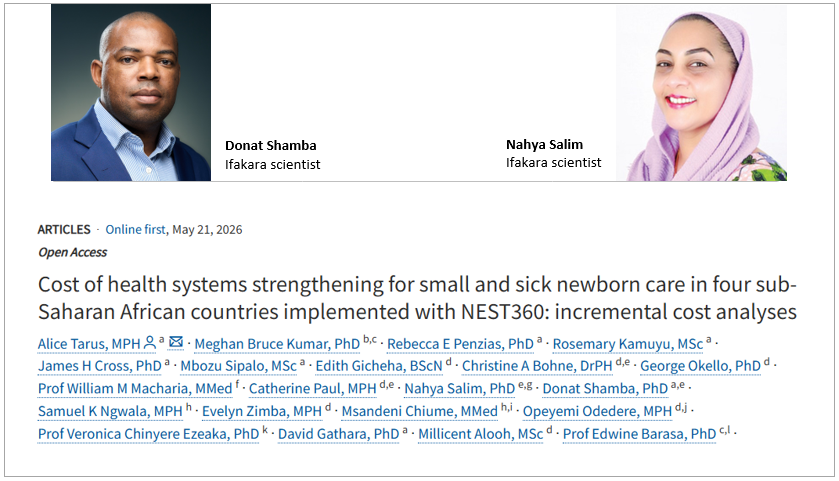
A new study shows that saving newborn lives in Africa is possible, but current funding remains far too low, with evidence from four countries underlining the urgent need to invest more—particularly in staff and hospital systems—to ensure quality care for sick and premature babies.
Published in The Lancet Global Health, the study assessed the real costs of improving newborn care in 65 neonatal units in Malawi, Kenya, Nigeria, and Tanzania. Researchers found that while stronger care systems can reduce newborn deaths, current spending is still below what is required to meet global survival targets.
The study was led by scientists from Europe and Africa and includes contributions from Ifakara Health Institute researchers Donat Shamba and Nahya Salim.
Nearly 94,000 newborn admissions analyzed
The research focused on hospitals supported through the NEST360 programme, an initiative working with governments and partners to improve care for small and sick newborns in low-resource settings. In Tanzania, the programme is implemented by Ifakara Health Institute and its partners.
Researchers analyzed nearly 94,000 newborn admissions annually and compared hospital costs before (September 2019–March 2021) and after (June 2022–June 2023) major health system improvements.
The findings show that strengthening newborn care requires a lot of investment. On average, annual spending per referral hospital ranged from about $125,000 in Nigeria to nearly $297,000 in Tanzania. In Malawi, district hospitals spent less than larger referral facilities.
Tanzania may need to triple investment
When researchers compared actual hospital spending with Tanzania’s national investment model, they found that funding may need to increase by about three times to meet recommended care standards, especially for staffing and infrastructure.
For example, hospitals in Tanzania were spending an average of about US$251,000 per facility, compared to national estimates of roughly US$669,000 needed per hospital.
Staff costs drive most spending
Researchers also found that human resources accounted for the largest share of newborn care costs across all countries studied, with salaries and staffing needs making up more than half of total spending.
“High-quality newborn care is not only about equipment and infrastructure. Hospitals also need sufficient numbers of trained nurses, clinicians, and support staff to provide continuous specialized care,” the researchers noted.
Funding gaps remain wide
The study also highlights a major gap between global commitments and actual financing. Although donor funding for maternal and child health has increased, less than 1% is directed specifically toward newborn care.
Moreover, researchers found that many countries lack dedicated budget lines for newborn health, limiting long-term planning and sustainability.
Within the NEST360 programme, investments focused on medical equipment, digital data systems, and hospital monitoring tools to strengthen care and improve tracking of newborn outcomes.
Why the findings matter
The findings highlight the scale of investment still needed to give sick and premature babies a better chance of survival.
Researchers say saving more newborn lives will depend not only on increasing funding, but also on directing resources to the areas that matter most to patient care — including trained health workers, reliable hospital systems and better-equipped facilities.
The study also raises wider concerns about the cost families continue to bear when seeking care for vulnerable newborns, with researchers calling for more evidence on how investment can save newborn lives while reducing the financial stress on households.
Read the publication here.