

LAUNCH: Tanzania joins global network to drive homegrown innovation
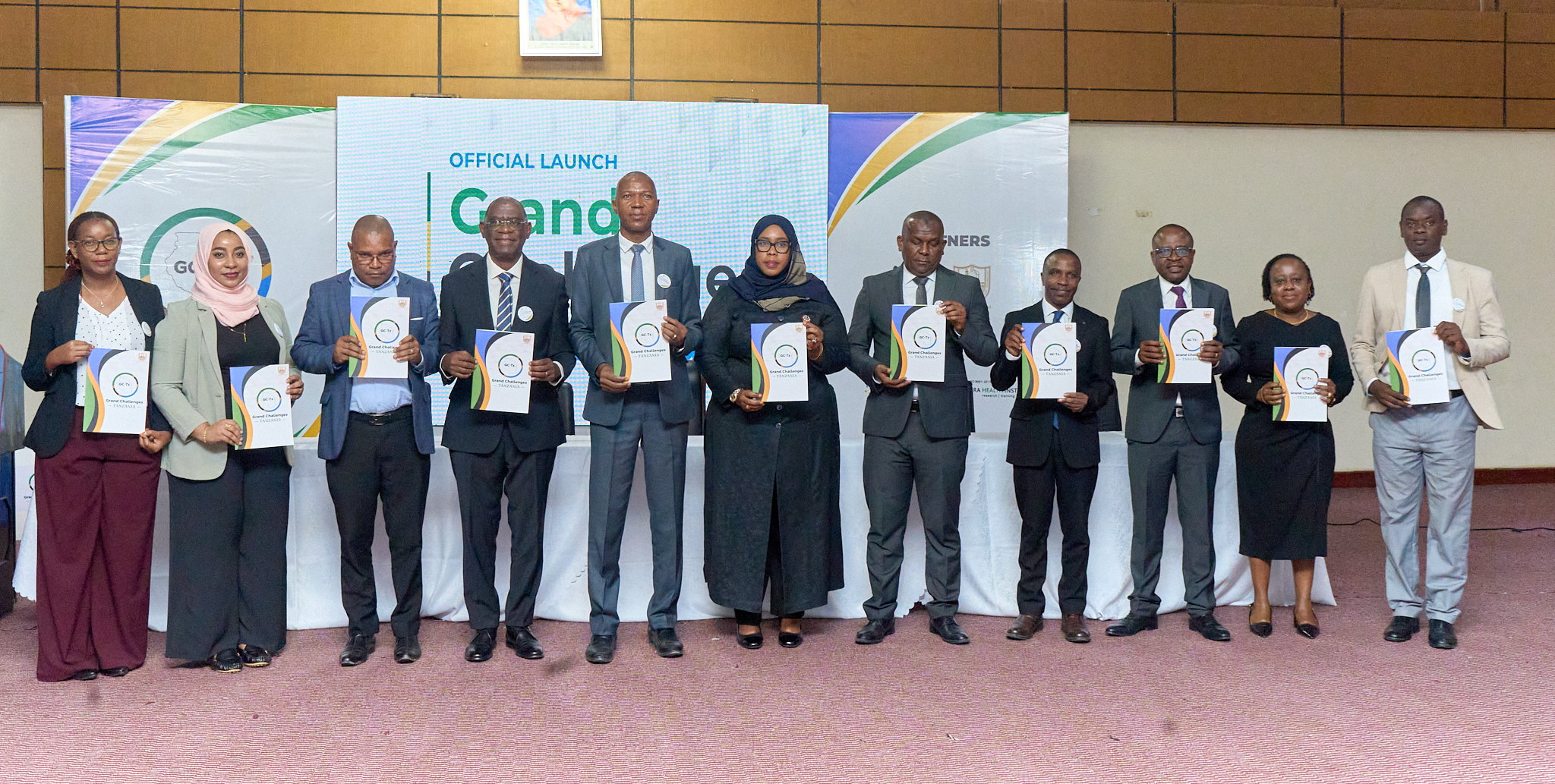
Dodoma, Tanzania – 4 June 2026 – The Ministry of Education, Science and Technology (MoEST), the Tanzania Commission for Science and Technology (COSTECH) and the Ifakara Health Institute (IHI) officially launched Grand Challenges Tanzania, a new platform designed to empower Tanzanian scientists, innovators, and young researchers to develop solutions that improve lives and advance national development priorities.
The initiative, which launched with a call for proposals from Tanzanian investigators for solutions related to maternal, newborn, and child nutrition and health (MNCNH),. This is inline with the key aims of this platform which are first to seek innovative solutions to address Tanzanian challenges and secondly to strengthen Tanzania’s innovation ecosystem through partnerships and investment in local talent, positioning the country as a regional leader in research and innovation. Grand Challenges Tanzania is part of the global Grand Challenges network, which includes innovation initiatives on four continents that leverage one another’s resources and work together on shared objectives.
The high-level launch event, held at Morena Hotel in Dodoma, brought together government officials, researchers, development partners, and private sector leaders to build momentum in accelerating locally driven innovation to contribute to sustainable development.
A catalyst for vision 2050
Officiating the launch on behalf of the Ministry of Education, Science and Technology, Deputy Minister Hon. Wanu Hafidh Ameir (MP) described the initiative as timely, as Tanzania embarks on implementing the National Development Vision 2050.
“Grand Challenges Tanzania has been launched at a critical period when our country is geared toward solving real societal challenges through the implementation of the National Development Vision 2050,” Hon. Ameir said. “This vision aims to build a strong, self-reliant, competitive, and inclusively developed nation where every citizen has the opportunity to live a better and healthier life.”
She noted that the platform provides an important opportunity to support and elevate local talent and accelerate the development of homegrown solutions to national challenges.
Beyond numbers: Measuring real impact
While Grand Challenges Tanzania expands the country’s footprint within the global science and innovation landscape, Hon. Ameir emphasized that its success should ultimately be measured by its impact on communities.
“The true measure of success for this program will not just be the number of projects implemented or innovations generated, but the extent to which its results improve the health, well-being, and lives of our citizens.”
The initiative will support innovations addressing a broad range of development challenges, including maternal and child health, infectious diseases such as malaria, food security, climate resilience, and digital transformation.
Unlocking Local Investment for Innovation
Speaking during the launch, Dr. Honorati Masanja, Chief Executive Director of IHI, highlighted the importance of sustainable financing mechanisms that help transform promising ideas into practical solutions.
The event also featured a high-level panel discussion titled “Unlocking Local Investment Ecosystems for Health and Development Impact.” Representatives from COSTECH, IHI, Muhimbili University of Health and Allied Sciences (MUHAS), and CRDB Bank discussed practical approaches to mobilizing domestic resources, strengthening public-private partnerships, and creating a supportive environment for Tanzanian researchers and innovators.
Launch of a new research funding call
The call for projects that seek to generate robust evidence and innovative, context-specific solutions to address persistent MNCHH challenges in Tanzania was officially launched during the event. These projects would address preventable morbidity and mortality which continues to be driven by conditions such as haemorrhage, sepsis, birth asphyxia, prematurity, undernutrition, and anaemia.
In addition, the initiative aims to strengthen institutional and human resource capacity to improve the quality and continuity of care across maternal and newborn health services. Priority areas include adherence to clinical guidelines, improved availability of essential medicines, enhanced health workforce performance, and stronger health information systems that support timely decision-making and accountability.
The call also seeks to foster sustainable collaboration between higher learning institutions and research and development organizations, promoting multidisciplinary research aligned with national priorities and broader development goals.
A new chapter for Tanzanian innovation
By joining the global Grand Challenges network, Tanzania is creating new opportunities for its scientific community to build both south-south and north-south collaborations, and scale locally developed solutions that contribute to the Sustainable Development Goals (SDGs).
Within Africa, the Science for Africa Foundation runs Grand Challenges-Africa, and Ethiopia, Nigeria, Rwanda, Senegal, and South Africa run national programs. There are also Grand Challenges partners in major global R&D hubs such as Brazil, China, and India, as well as a Gates Foundation-funded program active around the world. Through Grand Challenges Tanzania, Tanzanian innovators will have access to exemplars and expertise that can advance Tanzanian priorities.
As participants concluded the launch in Dodoma, the message was clear: Tanzania is investing in its own researchers, innovators, and institutions to build solutions for its future—marking the beginning of a new chapter in science, technology, and innovation.
We're a Registered Charity Organization in Tanzania
Ifakara Health Institute (IHI) is officially recognized as a charitable organization under the Income Tax Act. Certification issued on 20 March 2025 and valid until 31 December 2030.
Ifakara Health Institute (IHI) is officially recognized as a charitable organization under the Income Tax Act. Certification issued on 20 March 2025 and valid until 31 December 2030.