
MEETING: The “Deep Surveillance” team convenes in Dar to review the project’s progress
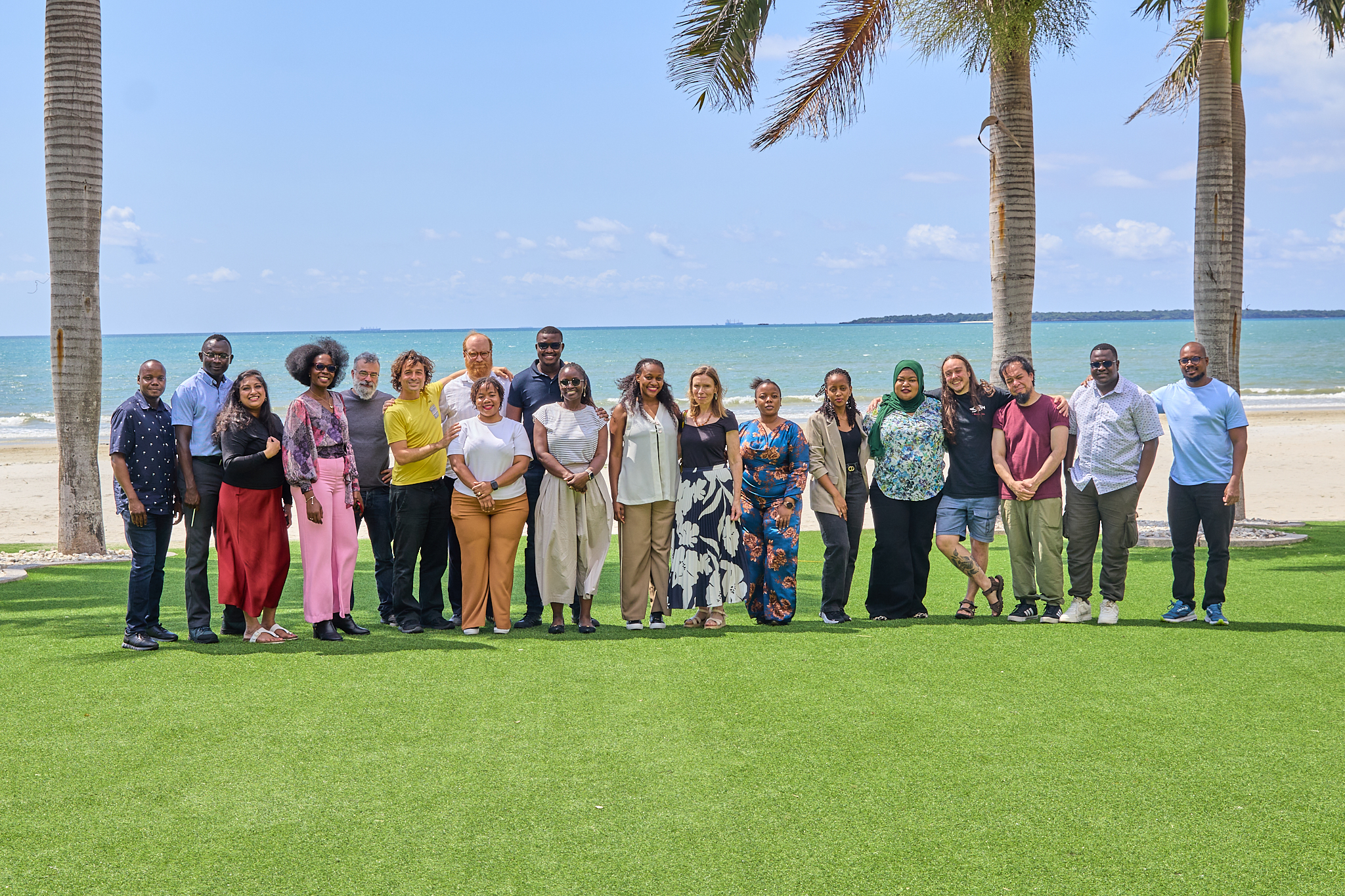
Dar es Salaam, Tanzania – June 8-9, 2026 – Researchers and partners involved in the Infrared Spectroscopy for Mosquito Characterization (Deep Surveillance) project convened in Dar es Salaam on June 8–9, 2026, for the project's annual meeting to review progress, share scientific findings, and chart the way forward.
Hosted at the Ramada Hotel, the meeting brought together representatives from the Ifakara Health Institute (IHI), the University of Glasgow, the NIRSID Consortium, Manhiça Health Research Centre (CISM), and the Research Institute for Health Sciences Regional Directorate L'Ouest (IRSS).
The Deep Surveillance project aims to develop a user-friendly system that enables researchers and National Malaria Control Programmes (NMCPs) to use infrared (IR) spectroscopy machines (both mid and near infrared) to collect and upload spectra data for real-time and remote surveillance of mosquito populations. The system is designed to support rapid identification of mosquito species and age, host blood preferences, and malaria infection in people with an aim of generating critical information to strengthen malaria vector surveillance and control efforts.
Opening the meeting, the project's Principal Investigator, Prof. Fredros Okumu, welcomed participants and highlighted the importance of collaboration in advancing innovative surveillance tools that can support malaria control programmes across Africa and beyond.
Dr Francesco Baldini of the University of Glasgow facilitated scientific discussions throughout the first day. The programme featured a series of technical sessions focusing on stakeholder alignment, product profile development, validation of existing age-grading methods, standard operating procedures (SOPs), and training activities. Participants also reviewed findings on mosquito age structure using parity dissection data and discussed progress towards developing a generalisable infrared age-grading model.
The second day focused on collaborative discussions around project outputs, future priorities, and implementation strategies. Participants reflected on the project's journey, highlighting key achievements, lessons learned, and opportunities to maximize the impact of the technology as the project progresses.
The annual meeting provided an important platform for partners to assess progress made so far and collectively map the next steps towards delivering a practical and accessible surveillance system capable of supporting evidence-based malaria vector control interventions.
We're a Registered Charity Organization in Tanzania
Ifakara Health Institute (IHI) is officially recognized as a charitable organization under the Income Tax Act. Certification issued on 20 March 2025 and valid until 31 December 2030.
Ifakara Health Institute (IHI) is officially recognized as a charitable organization under the Income Tax Act. Certification issued on 20 March 2025 and valid until 31 December 2030.