

#AJSC2026: Ifakara, partners discuss progress in gene drive research for malaria control
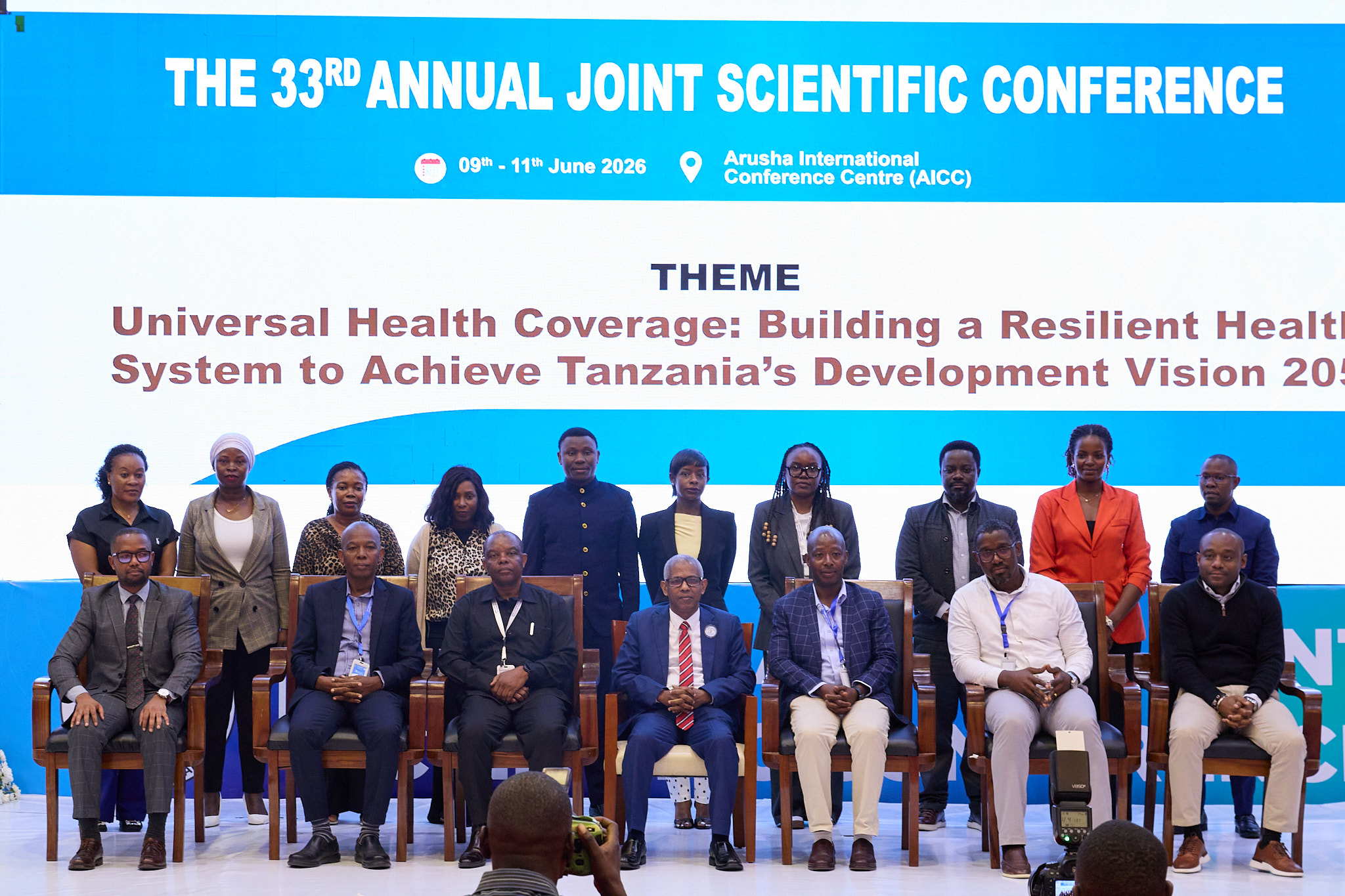
Today in Arusha, the Transmission Zero (T0), a collaborative international research program implemented by Ifakara Health Institute, Imperial College London, the National Institute for Medical Research (NIMR) and Swiss Tropical And Public Health Institute (Swiss TPH), hosted a symposium during the 33rd Annual Joint Scientific Conference organized by the NIMR.
The symposium, titled “Advancing Gene Drive Research for Malaria Control and Elimination in Tanzania: Scientific Progress, Field Characterization, and Stakeholder Engagement,” brought together researchers, policymakers, health professionals, and stakeholders to discuss the latest developments in gene drive research and its potential role in accelerating malaria elimination efforts in Africa.
The symposium featured presentations from Ifakara scientists involved in different aspects of the programme. Prisca Kweyamba presented on the biological determinants of malaria transmission and the potential of gene drive technologies in African Anopheles mosquitoes, highlighting the scientific foundations underpinning the research. Edmond Bernard shared findings from baseline entomological studies conducted in Ukerewe, focusing on field site characterization and preparations for potential future trials. Justina Mosha provided an overview of the project's stakeholder engagement efforts, emphasizing the importance of community involvement, awareness creation, and dialogue with stakeholders throughout the research process.
Gene drive as a complementary tool for malaria elimination
A key highlight of the symposium was a panel discussion titled “Potential of Gene Drive Modified Mosquitoes in Malaria Control and Elimination in Africa.” The discussion explored opportunities and challenges associated with the technology, including scientific innovation, implementation considerations, regulatory frameworks, and community engagement.
Among the panelists was Dr. Dickson Lwetoijera, Principal Research Scientist at Ifakara and T0’s Programme Director. He emphasized the transformative potential of gene drive technology as a complementary tool in the fight against malaria. Drawing on years of research and experience in vector control, Dr. Lwetoijera highlighted how gene drive-modified mosquitoes could provide a sustainable and equitable approach to reducing malaria transmission, particularly in areas where existing interventions face challenges such as insecticide resistance and persistent transmission.
He also noted that while current malaria control tools have contributed significantly to reducing the burden of the disease, additional innovations will be needed to achieve long-term elimination goals. Gene drive technology, he explained, has the potential to complement existing interventions by reducing the ability of mosquito populations to transmit malaria, thereby contributing to broader public health gains across the continent.
The symposium concluded with a call for continued collaboration among researchers, policymakers, communities, and development partners to explore innovative, evidence-based solutions that can help accelerate progress toward malaria control and elimination in Tanzania and across Africa
We're a Registered Charity Organization in Tanzania
Ifakara Health Institute (IHI) is officially recognized as a charitable organization under the Income Tax Act. Certification issued on 20 March 2025 and valid until 31 December 2030.
Ifakara Health Institute (IHI) is officially recognized as a charitable organization under the Income Tax Act. Certification issued on 20 March 2025 and valid until 31 December 2030.