
CONSULTATION: Empowering stakeholders to advance evidence uptake
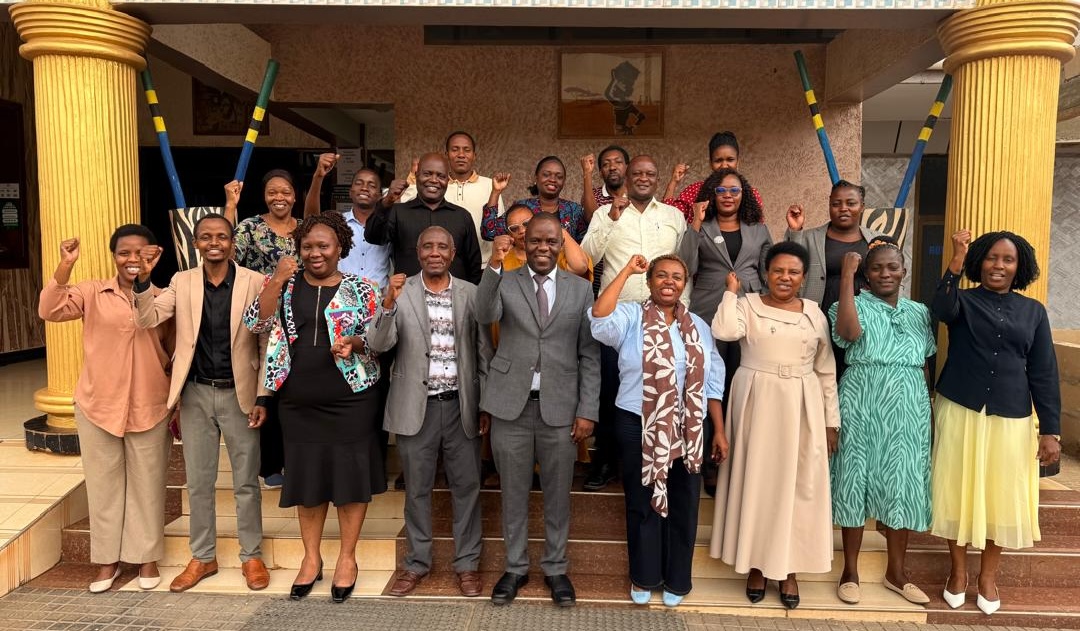
The Ifakara Health Institute’s IMARISHA project convened a two-day Stakeholders’ Engagement Meeting in Morogoro, Tanzania, from June 9–10, 2026, bringing together key health sector actors under the theme of strengthening collaboration for improved scientific evidence uptake and health outcomes.
Through decolonial and participatory action research, the IMARISHA project seeks to mobilize stakeholders at different levels to reflect on, examine, and study gendered workplace violence, including its structural and systemic drivers within primary health care settings. The approach emphasizes co-creation of context-specific, human-centered responses informed by lived experiences and emerging evidence.
The workshop was officiated by the Chief Guest, Morogoro Regional Medical Officer Dr. Best Magoma and closed by the director of research from President Office Local and Regional Authorities (PORALG), Dr Kengia. Participants were given space to reflect on the health facility environment, identify potential risks related to gender relations and violence, and consider how evidence should be communicated and translated into action. Art-based methods were used to facilitate expression and dialogue, offering an innovative platform for participants to share their perspectives.
Speaking during the session, IMARISHA Principal Investigator Dr. Sally Mtenga emphasized the value of engaging stakeholders early in the research process. She noted that the workshop aims to move beyond traditional models where stakeholders are only recipients of evidence, instead positioning them as co-designers of knowledge and solutions. She added that this approach is expected to strengthen ownership and improve the uptake and translation of evidence into practice.
Dr. Mtenga further highlighted that commitments to Universal Health Coverage (UHC) can be advanced by strengthening primary health care systems and supporting frontline health workers, many of whom are women. She noted that violence against health care workers at the primary health care (PHC) level is an emerging global concern, often manifesting as verbal abuse, intimidation, and physical assault from patients and their families. While gender-based violence has traditionally focused on women, adolescents, and children, less attention has been given to the wellbeing and safety of service providers at the point of care. Strengthening protection and support for PHC workers, she emphasized, is essential to achieving quality care and UHC goals.
The meeting brought together representatives from Morogoro and Tabora regions, including officials from Morogoro Municipal and Kilosa District, as well as Tabora Municipal and Kaliua District. Participants included District Medical Officers, Health Secretaries, Social Welfare Officers, and frontline health care workers.
The engagement provided a platform for open dialogue, reflection on implementation progress, and alignment on priority actions to strengthen community-centered health service delivery. It is expected to conclude with agreed recommendations to guide continued collaboration and improve health outcomes across participating districts.
We're a Registered Charity Organization in Tanzania
Ifakara Health Institute (IHI) is officially recognized as a charitable organization under the Income Tax Act. Certification issued on 20 March 2025 and valid until 31 December 2030.
Ifakara Health Institute (IHI) is officially recognized as a charitable organization under the Income Tax Act. Certification issued on 20 March 2025 and valid until 31 December 2030.