

ENVIRONMENTAL HEALTH: Study links damp conditions to increased risk of chronic lung disease
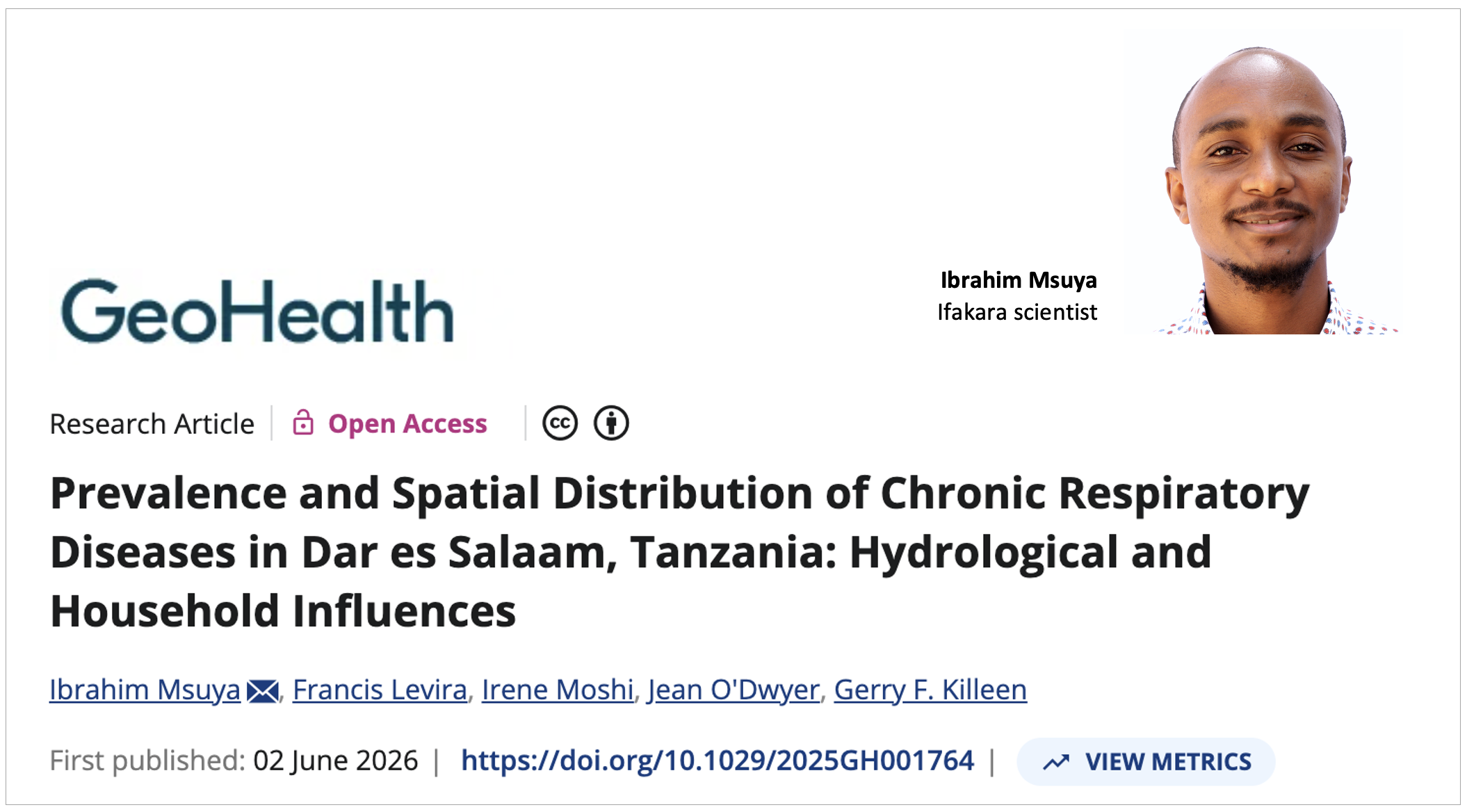
Where people live may have a greater impact on their respiratory health than previously understood. A new study from Tanzania has found that residents of flood-prone and damp areas of Dar es Salaam face a higher risk of developing chronic respiratory diseases (CRD).
The findings suggest that environmental conditions, particularly frequent flooding, poor drainage, and prolonged exposure to moisture, can contribute to long-term lung health problems, adding to the growing burden of chronic diseases in rapidly growing urban cities.
CRDs include long-term conditions such as asthma, chronic bronchitis and other illnesses that make breathing difficult and are a major global cause of illness and death.
The study, recently published in GeoHealth, was led by Dr. Ibrahim Msuya of Ifakara Health Institute. Co-authors included Dr. Francis Levira and Dr. Irene Moshi from Ifakara, alongside Dr. Jean O'Dwyer and Prof. Gerry Killeen from University College Cork in Ireland.
Mapping the link between environment and health
To investigate the relationship between environmental conditions and respiratory health, the researchers combined detailed satellite data on land wetness with health surveys from over 1,500 households across 15 different income areas (mitaa) in Dar es Salaam, Tanzania's commercial capital.
Flood-prone areas face greater health risks
The analysis found that residents living in the most flood-prone areas were up to nine times more likely to suffer from CRD than those living in drier areas.
The researchers also found a link between ground wetness and respiratory illness. For every increase in wetness level, the risk of CRD rose by approximately 18%, suggesting that long-term exposure to damp conditions may increase respiratory illness.
Household conditions also play a role
Beyond environmental factors, the study found that household conditions influenced disease risk.
Larger households were more likely to report CRD, a finding the researchers suggest may reflect overcrowding and increased exposure to infections or indoor air pollution. The use of shared communal waste disposal was also linked to higher risk of respiratory disease.
Households with air conditioning however, reported a lower risk of CRD. The researchers suggest this may be because air conditioning reduces indoor humidity and limits exposure to damp and polluted air, creating a healthier indoor environment.
Poverty not a direct predictor
Income level alone was not directly associated with respiratory disease risk once other factors were considered.
Instead, the researchers argue that poverty may influence health indirectly by limiting housing options and forcing many families to live in flood-prone or poorly drained areas where environmental risks are greater.
Why these findings matter
The findings highlight how urban flooding and poor housing conditions may be an overlooked driver of CRD in rapidly expanding cities across Africa and beyond.
“This study highlights how living in damp environments contributes to lung disease, especially for poorer communities in cities facing flooding challenges,” the researchers noted. “Understanding these links can help inform policies and reduce health risks in vulnerable urban populations.”
The researchers further argue that preventing CRD requires more than addressing traditional risk factors such as smoking, instead, they call for urban planning and housing strategies that address both environmental and public health challenges
Read the publication here.
We're a Registered Charity Organization in Tanzania
Ifakara Health Institute (IHI) is officially recognized as a charitable organization under the Income Tax Act. Certification issued on 20 March 2025 and valid until 31 December 2030.
Ifakara Health Institute (IHI) is officially recognized as a charitable organization under the Income Tax Act. Certification issued on 20 March 2025 and valid until 31 December 2030.