MEETING: Ifakara at WHO-AFRO briefing on Ebola preparedness and response
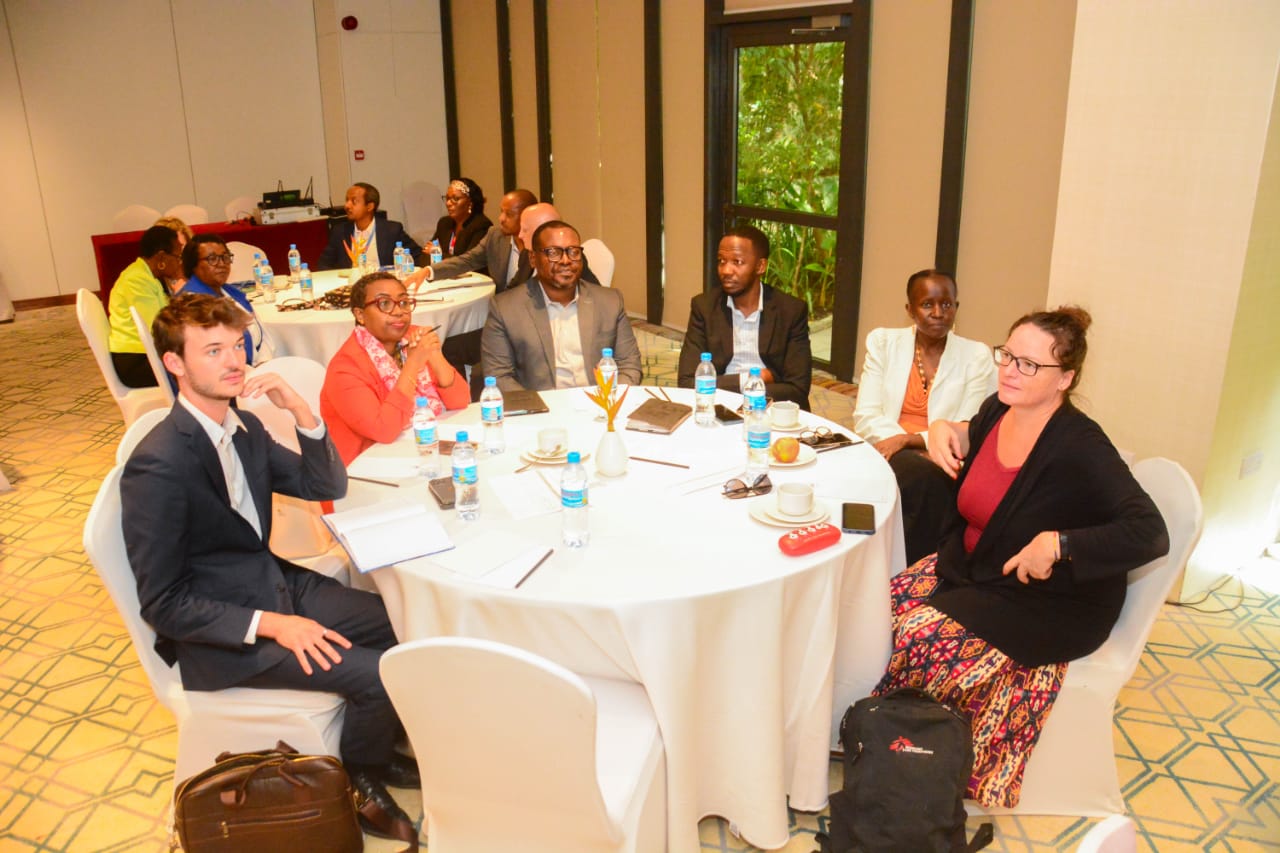
On 25th June 2026, Ifakara Health Institute joined a high-level briefing meeting with the WHO-AFRO Regional Director at the Hyatt Hotel in Dar es Salaam, together with other key health stakeholders, to review the evolving Ebola situation in the region and strengthen coordination on preparedness and response efforts under the leadership of the Ministry of Health, with support from WHO and development partners.
Epidemiological situation update
The meeting focused on the current status of Bundibugyo virus disease - a species of Ebolavirus in the Democratic Republic of Congo and Uganda. Prof. Janabi, the WHO Regional Director, noted that the epidemiological trends in these regions pose a significant threat to neighboring countries, including Tanzania. He emphasized the need for early detection through strengthened screening at points of entry, containment strategies, community engagement, and the dissemination of accurate preventive information.
National preparedness and response
Chief Medical Officer Dr. Grace Maghembe confirmed that while no confirmed cases have been reported in Tanzania, the risk remains high. She highlighted that the Ministry of Health and stakeholders are prioritizing preparedness and emergency readiness as key measures to prevent and respond to any potential outbreak. Dr. Maghembe further stressed that maintaining a resilient healthcare system is a collective responsibility that extends beyond the Ministry to all sectors and community levels, while continuing to ensure that healthcare workers are well equipped with the necessary knowledge and protective equipment to effectively manage any potential outbreak.
The role of research institutions
Dr. Sally, who attended the meeting on behalf of the Institute, noted that while Tanzania’s preparedness status is encouraging, the research community has a critical role to play moving forward. In particular, IHI and other research institutions can support the Ministry of Health by generating up-to-date evidence on socio-cultural perceptions of the disease and community acceptability of recommended health interventions.