

VISIT: Ifakara explores partnership to improve care and research for chronic diseases
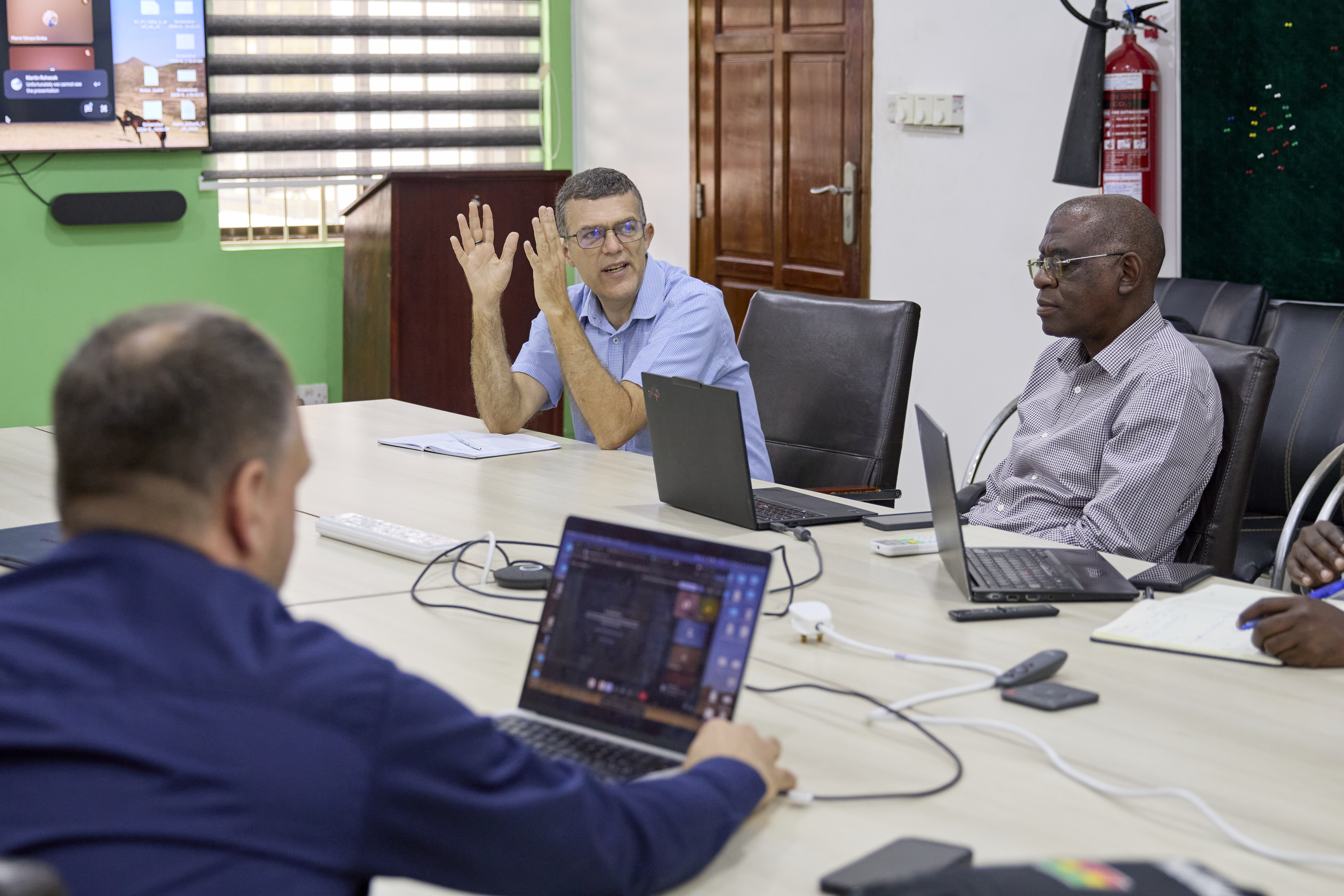
On July 1, 2026, the Ifakara Health Institute (IHI) hosted Dr. Colin Pfaff, Associate Director of Programs at the NCDI Poverty Network, at its Mikocheni offices in Dar es Salaam for a partnership exploration meeting aimed at identifying opportunities for collaboration in research, implementation, and service delivery for non-communicable diseases (NCDs).
The meeting brought together Ifakara's leadership and scientists to discuss shared priorities in addressing the growing burden of NCDs, particularly among populations experiencing poverty and limited access to quality healthcare.
Leading the Ifakara team was the Institute's Chief Executive Director, Dr. Honorati Masanja, alongside the Director of Science, Dr. Ally Olotu(Joining Remote); Head of the Health Systems, Interventions, Impact Evaluation & Policy Department, Dr. Grace Mhalu; Business Development and Partnerships Specialist, Dr. Zawadi Mageni Mboma; Research Scientist, Dr. Yahaya Simba; and members of the Institute's NCD research teams.
Discussions began with an overview of Ifakara's NCD portfolio, presented by Dr. Masanja, highlighting the Institute's ongoing research programmes, clinical services, strategic partnerships, and future priorities in non-communicable disease research and care. Participants also received an introduction to the NCDI Poverty Network's global mission, country initiatives, and efforts to improve the prevention, diagnosis, and treatment of NCDs among the world's poorest populations.
The meeting also featured presentations from Ifakara scientists showcasing key research initiatives. Dr. Martin Rohacek presented the CARECHAIN project, while Dr. Nikolai Carl Hodel introduced the RenalTWO study.
Following the discussions in Dar es Salaam, the delegation travelled to Bagamoyo for a field visit to observe Ifakara's ongoing NCD research and clinical activities. The visit included the CARECHAIN Clinic and the RenalTWO Study site at Bagamoyo District Referral Hospital, providing first-hand insight into the Institute's work in delivering evidence-based care and conducting research to improve outcomes for people living with non-communicable diseases.
The engagement reflects Ifakara's continued commitment to building strategic partnerships that strengthen research, translate evidence into practice, and contribute to reducing the growing burden of non-communicable diseases in Tanzania and beyond.
We're a Registered Charity Organization in Tanzania
Ifakara Health Institute (IHI) is officially recognized as a charitable organization under the Income Tax Act. Certification issued on 20 March 2025 and valid until 31 December 2030.
Ifakara Health Institute (IHI) is officially recognized as a charitable organization under the Income Tax Act. Certification issued on 20 March 2025 and valid until 31 December 2030.