
MEETING: Stakeholders discuss how data can drive better action in early childhood development
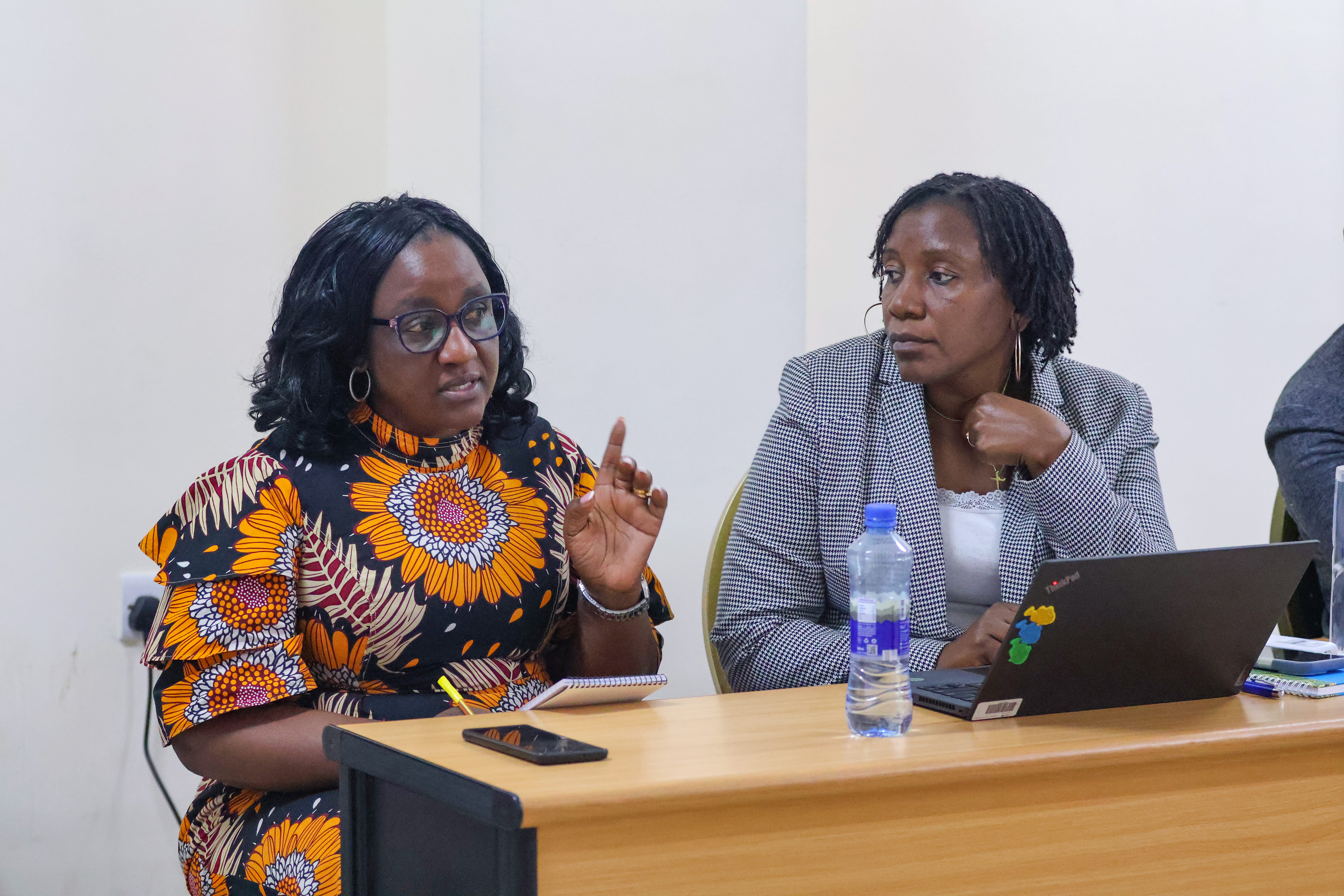
From July 21-22, 2026, the Ifakara Health Institute (IHI) brought together sector ministries, government officials, researchers and ECD stakeholders for a two-day dissemination meeting in Morogoro. The events shared findings that focused on “Caregivers’ perspectives on the determinants that influence child development outcomes” and the quality of data from ECD sector specific information systems in Tanzania.
The meeting provided an opportunity for researchers to present findings, receive stakeholder feedback and identify ways the evidence can be applied to improve early childhood development efforts across the country.
Stakeholders across sectors gather to review ECD findings
The meeting brought together 48 participants representing government ECD sector ministries (Ministry of Health (MoH), Ministry of Education Science and Technology (MoEST), Ministry of Community Development, Gender Women and Special Groups (MoCDGWSGs), Prime Minister Offices – (Policy and Coordination), Tanzania ECD Network (TECDNE), Pediatric Association of Tanzania (PAT) at Muhimbili National Hospital; Tanzania Early Childhood Development Network (TECDEN); and other organizations working to improve child health, nutrition and development across the country.
Study explores both caregivers’ perception and quality of child-related data
Leading the discussions were IHI Senior Research Scientist Dr. Ester Elisaria and Farida Katunzi, Co-Principal Investigators of the ECD-DD project, alongside members of the research team.
The study was conducted across seven regions in mainland Tanzania: Rukwa (Nkasi District Council), Lindi (Nachingwea District Council), Arusha (Monduli District Council), Shinyanga (Kahama Municipal Council), Tabora (Igunga District Council), Katavi (Tanganyika District Council), and Njombe (Ludewa District Council).
Findings highlight the perception of caregivers
Researchers presented findings across the five domains of nurturing care services: good health, adequate nutrition, responsive caregiving, opportunities for early learning, and safety and security. Together, these areas provide evidence based that the caregivers viewed child development as everyday progress and not an abstract definition of child development (cognitive, psychosocial, language and physical). Besides that, the caregivers shared both individual, environmental and systematic challenges and opportunities families encounter in providing nurturing care.
Participants discussed the findings and shared recommendations on how the evidence can be used to strengthen early childhood development interventions at national and local levels.
Findings highlight the quality of child-related data visualized on ECD Scorecard
The researchers provided evidence on the quality of health, nutrition, early learning and safety and security. The study generated evidence on the availability, completeness, correctness, and consistency of child protection data across primary recording tools and electronic reporting systems. It also identified the system and workforce factors affecting data quality, including limited standardized tools, staff shortages and transfers, inadequate training, and inconsistent interpretation of child abuse and violence indicators.
Coordinated action is needed to support children’s development
Discussions emphasized the importance of coordinated action across sectors—including health, nutrition, education, social welfare and community development—to ensure children receive the comprehensive support they need during their formative years.
More about the ECD-DD Project
The Strengthening Early Childhood Development in Tanzania with Data-Driven Strategies (ECD-DD) project is implemented by the Ifakara Health Institute in collaboration with national and international partners to generate evidence that informs early childhood development policies and programmes in Tanzania. The project aims to improve the availability and use of high-quality data to support decision-making in child health, nutrition, early learning and overall development. It is funded by the Conrad N. Hilton Foundation.
Learn more: https://www.ihi.or.tz/our-projects/project/132/details
We're a Registered Charity Organization in Tanzania
Ifakara Health Institute (IHI) is officially recognized as a charitable organization under the Income Tax Act. Certification issued on 20 March 2025 and valid until 31 December 2030.
Ifakara Health Institute (IHI) is officially recognized as a charitable organization under the Income Tax Act. Certification issued on 20 March 2025 and valid until 31 December 2030.