

Principal Investigator: Kennedy Lushasi
Project leader/ Coordinator: TBC
Project Administrator: Felix Brown
Funding Partner: Medical Research Council (MRC) through the University of Glasgow
Start date: May 1, 2026
End date: March 31, 2027
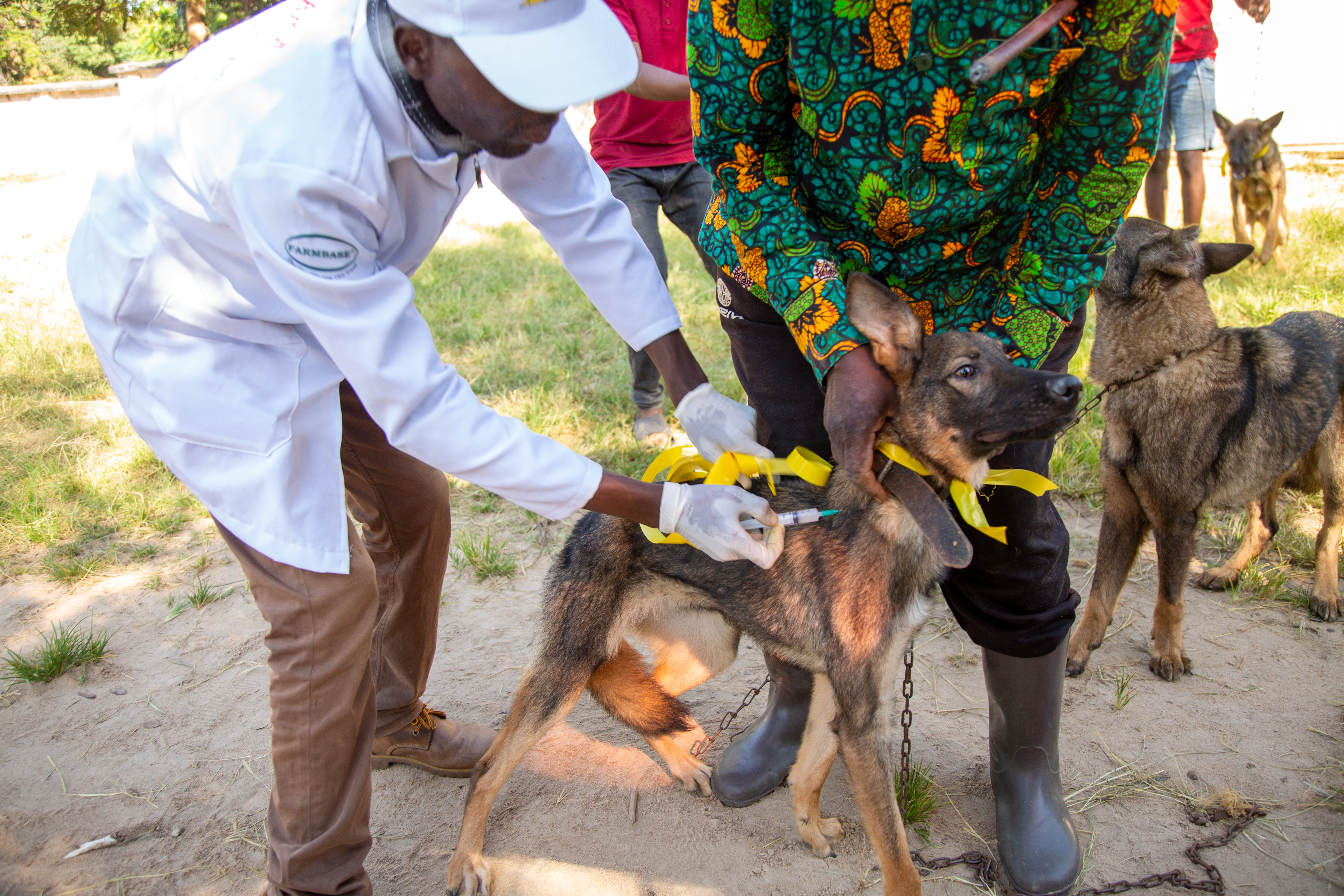
Genomic Epidemiology to Underpin One Health Surveillance for Rabies
The Genomic Epidemiology to Underpin One Health Surveillance for Rabies project aims to strengthen the use of genomic surveillance to better understand rabies virus transmission and support more targeted approaches to rabies control and elimination.
Rabies remains a major One Health challenge, causing thousands of preventable human deaths every year. Despite the global goal of eliminating dog-mediated human rabies by 2030, many rabies-endemic countries have limited capacity to use genomic data to monitor transmission, understand how the virus spreads and assess the effectiveness of control programmes.
Limited access to sequencing technologies, bioinformatics tools and technical expertise further constrains the routine use of genomic surveillance in low-resource settings.
To help address these gaps, Ifakara Health Institute (IHI), through a project led by Principal Investigator Kennedy Lushasi, is working to strengthen genomic surveillance of rabies virus and make genomic tools more accessible to researchers and public health teams.
The project, Genomic Epidemiology to Underpin One Health Surveillance for Rabies, is supported by the Medical Research Council (MRC) through the University of Glasgow and will run from May 2026 to March 2027.
Project overall aim
The project aims to develop and implement a sustainable framework for routine genomic surveillance of rabies virus, enabling researchers and public health teams to generate and use genomic evidence to better understand transmission and inform targeted control strategies for elimination.
Project objectives
The project will focus on two main objectives:
1. Develop the Rabies Accessible GEnomic (RAGE) toolkit—a user-friendly, open-source toolkit for sequencing, analyzing and interpreting rabies virus genomes.
2. Apply integrated genomic and epidemiological analyses to characterize rabies virus dynamics across different regions and address practical questions that can inform rabies prevention and control.
The project will also optimize sequencing approaches, including evaluating SMART-N9, a new metagenomic sequencing approach for detecting viral pathogens and develop user-friendly bioinformatics pipelines and software that allow researchers and public health professionals without specialist bioinformatics training to analyze genomic data.
The goal is to make rabies genomic analysis accessible to researchers and control programmes without specialist bioinformatics expertise
Why genomic surveillance matters
Genomic surveillance can provide important insights into how rabies virus moves between populations and geographic areas. When combined with epidemiological information, genomic data can help identify patterns of transmission and provide evidence for where and how control measures should be prioritized.
However, the value of genomic surveillance depends on whether countries and research institutions have the tools, skills and systems needed to routinely generate and interpret genomic data.
By developing an accessible, open-source toolkit and strengthening genomic surveillance capacity, the project seeks to help bridge this gap and support more evidence-driven approaches to rabies control.
Supporting a One Health approach to rabies elimination
Rabies control requires collaboration across human health, animal health and other sectors because the disease is transmitted primarily through infected animals, particularly dogs.
By combining genomic surveillance with epidemiological data, this project aims to generate practical evidence that can strengthen coordinated One Health approaches to rabies prevention and control.
Ultimately, the project will contribute to efforts to make genomic surveillance more accessible and sustainable, supporting countries to better understand rabies transmission and move closer to the goal of eliminating dog-mediated human rabies.
We're a Registered Charity Organization in Tanzania
Ifakara Health Institute (IHI) is officially recognized as a charitable organization under the Income Tax Act. Certification issued on 20 March 2025 and valid until 31 December 2030.
Ifakara Health Institute (IHI) is officially recognized as a charitable organization under the Income Tax Act. Certification issued on 20 March 2025 and valid until 31 December 2030.