
IFAKARA@70: Shaping the evolution of life-saving malaria drugs
For generations, a malaria diagnosis came with dangerous uncertainty—treatments failed, resistance spread, and lives hung in the balance.
As the parasite outsmarted one drug after another, the world was forced into a relentless race for new cures. Ifakara Health Institute has been part of that journey—testing drugs in real communities, tracking what works and what fails, and helping ensure that the medicines reaching patients are not just available, but effective.
From fading drugs of the past to cutting-edge therapies still in development, Ifakara’s research has helped shape every major turning point in malaria treatment.
1950s–1990s: The era of single drugs and growing resistance
In the decades following its founding, Ifakara’s work focused on how malaria was treated in real communities—at a time when single-drug therapies dominated care.
A handful of medicines defined this era: Chloroquine, Sulfadoxine–pyrimethamine (SP), and Quinine. For years, they were effective. Then, gradually, they began to fail.
Researchers at Ifakara documented declining effectiveness on these drugs and captured early warning signs of a growing global crisis—drug resistance. Their findings contributed to the global shift away from failing monotherapies.
Early 2000s: The artemisinin breakthrough
A major turning point came with the introduction of artemisinin-based medicines, derived from the Artemisia annua plant.
Ifakara’s clinical trial portfolio includes drugs such as Artemisinin, Artesunate, and Artemether. These have been repeatedly evaluated within Ifakara-led trials, including advanced-stage clinical studies (including Phase II–IV).
At its Bagamoyo research centre, Ifakara scientists conducted clinical trials that confirmed these drugs as fast-acting and highly effective—marking the beginning of a new era in malaria treatment.
2000s–2015: The rise of combination therapies (ACT revolution)
To tackle resistance, researchers began combining therapies—pairing artemisinin with longer-lasting partner drugs. This gave rise to artemisinin-based combination therapies (ACTs).
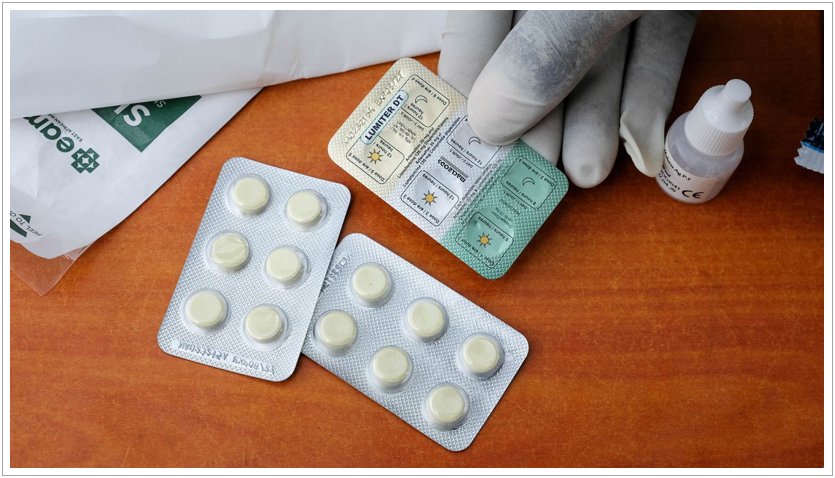
Ifakara scientists played a central role in evaluating key combinations, including: Artemether–lumefantrine (AL); Artesunate–amodiaquine (ASAQ); and Dihydroartemisinin–piperaquine (DHA–PPQ).
A series of studies involving Ifakara researchers consistently showed high effectiveness in Tanzania.
- A clinical study in Tabora demonstrated strong efficacy of AL in children under five
- National surveillance confirmed strong efficacy and safety across multiple regions
- Other evidence showed cure rates consistently above 95%
- Researchers also highlighted the importance of timely access to ACTs
- Additional studies explored optimizing treatment, including the timing of primaquine to reduce transmission
This body of evidence helped shape national policy. In 2006, Tanzania adopted artemether–lumefantrine as its first-line malaria treatment—a shift grounded in research generated in part by Ifakara-linked research.
2010s: Traditional & herbal antimalarials
Even as modern drugs advanced, Ifakara scientists did not overlook traditional knowledge.
In the 2010s, researchers began studying traditional remedies used in local communities including maytenus senegalensis.
Through controlled studies, these remedies were tested for safety and effectiveness and compared with standard ACTs—bringing scientific rigor to traditional medicine.
2015–present: Staying ahead of resistance
Today, the threat of resistance is re-emerging. Malaria parasites continue to evolve, and in some parts of the world, reduced sensitivity to key partner drugs in ACTs is being reported.
At Ifakara, researchers are closely tracking these changes while testing new solutions. Among the next-generation candidates under study is KLU156.
KLU156 is an investigational antimalarial compound. It represents a new chemical class of antimalarial agents designed to act on both the blood and liver stages of malaria infection. As of the early 2020s, it is undergoing preclinical and early clinical evaluation for safety and efficacy.
Looking ahead
Across seven decades, Ifakara’s drug research has focused on one goal: ensuring malaria treatments remain effective—not just today, but into the future.
Malaria is no longer the certain killer it once was. Communities now survive infections that once claimed millions of lives, and health systems are equipped with medicines that work.
From chloroquine to modern combination therapies—and now to next-generation drugs—Ifakara’s work has helped shape the global response to one of the deadliest diseases.