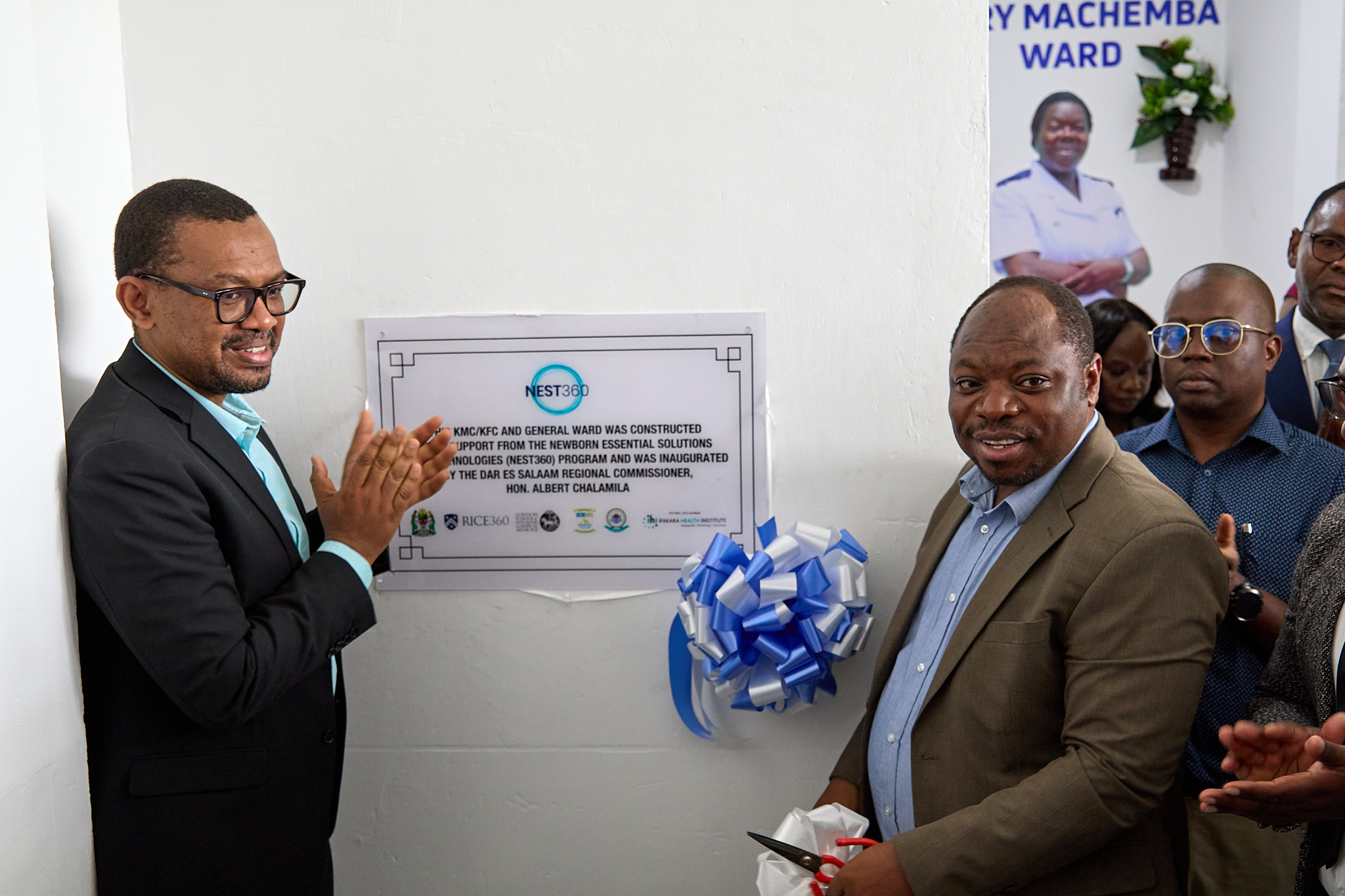
HANDOVER: Ifakara hands over newly renovated newborn care wards to Amana hospital
On December 3 2025, the NEST360 Programme, implemented in Tanzania by…

On December 3 2025, the NEST360 Programme, implemented in Tanzania by…
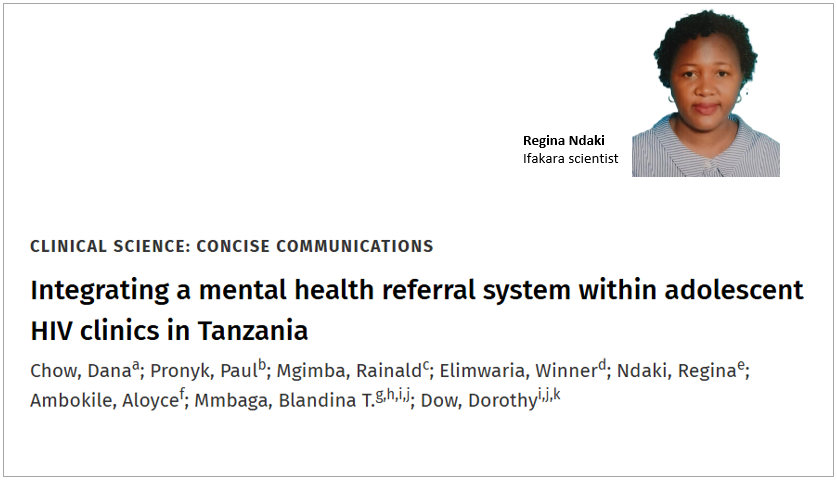
For many young people living with HIV in Tanzania, hope is coming not from a new drug, but from a change in care. A new study shows that adding men…
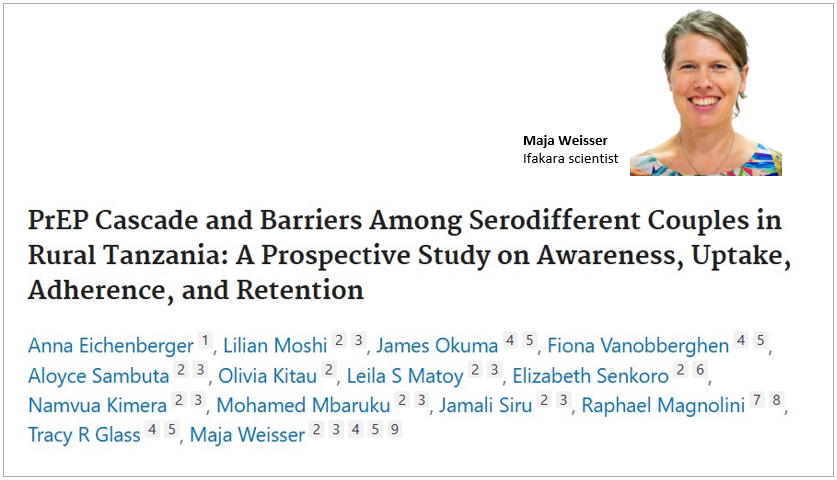
A new study led by scientists from Tanzania and Switzerland brings hopeful news for couples navigating HIV risk. It shows that just four months of …

The Chronic Disease…
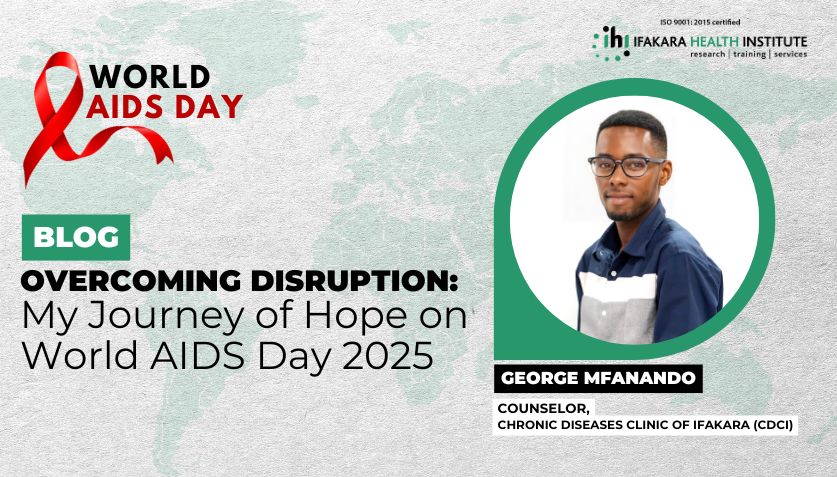
On this World AIDS Day, George Mfanando, a Couns…
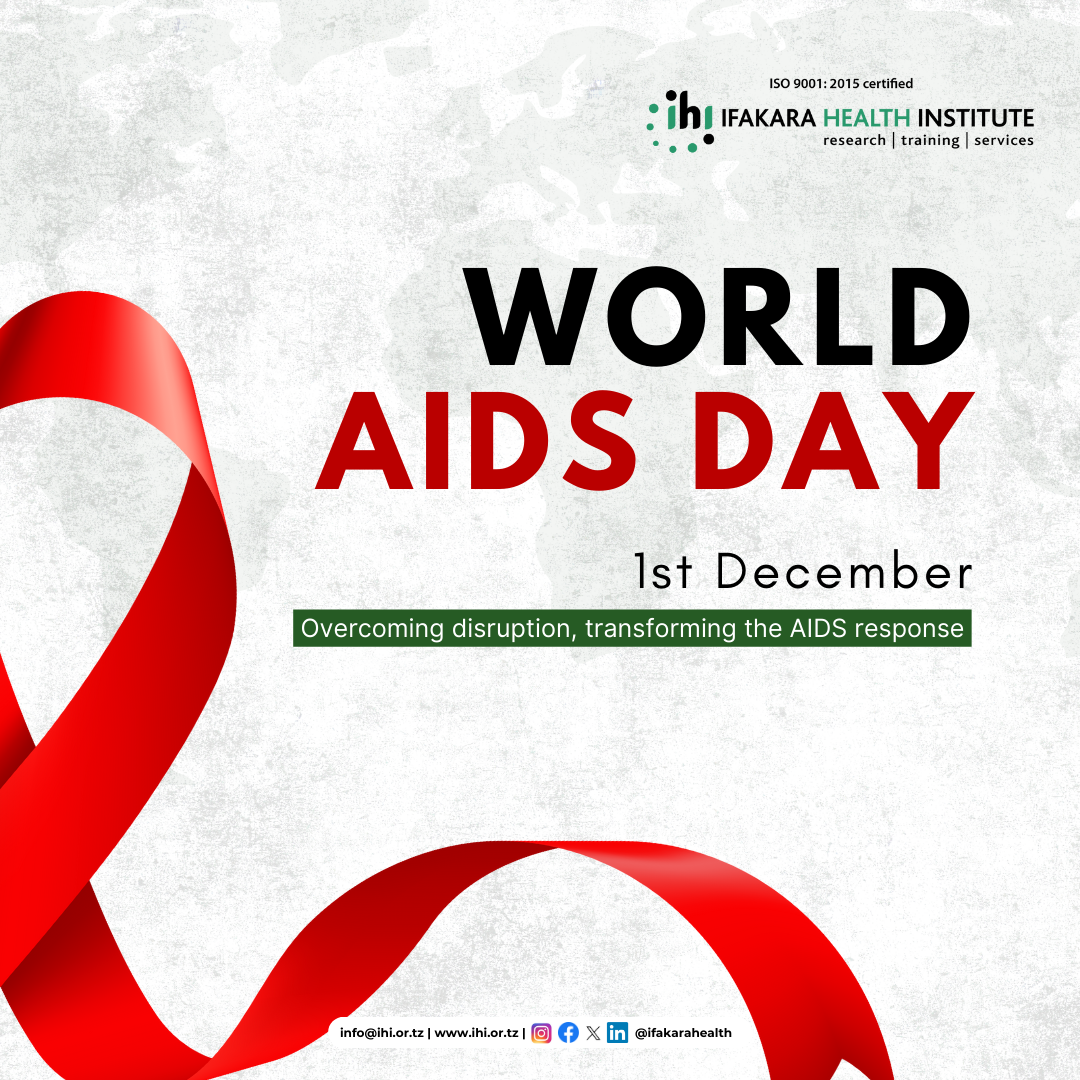
Today, the Ifakara Health Institute joins the world in observing World AIDS Day under the theme, “Overcoming Disruption, Transforming the AID…
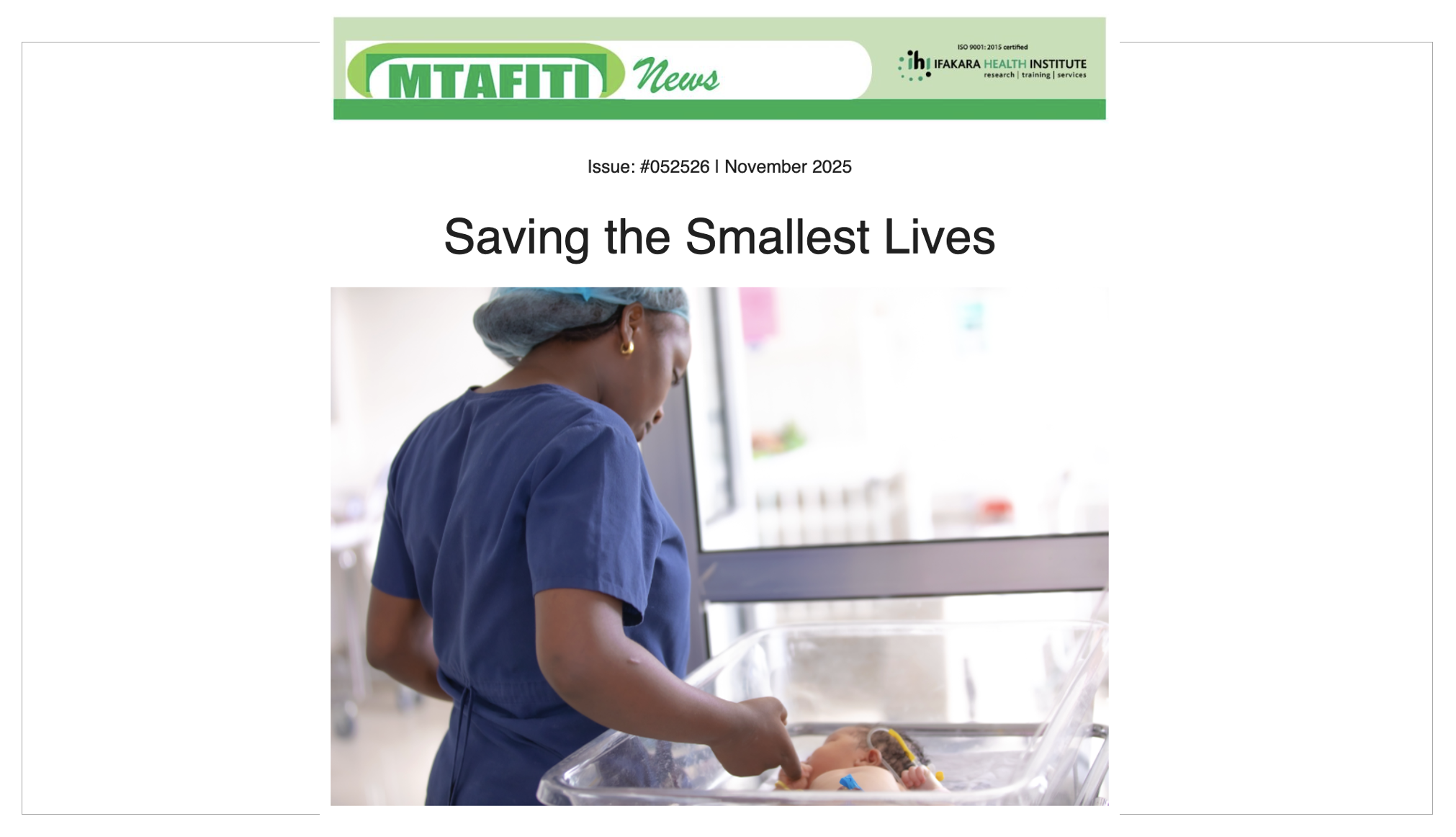
"MTAFITI" - the monthly news an…

From November 20–24, 2025, project members…
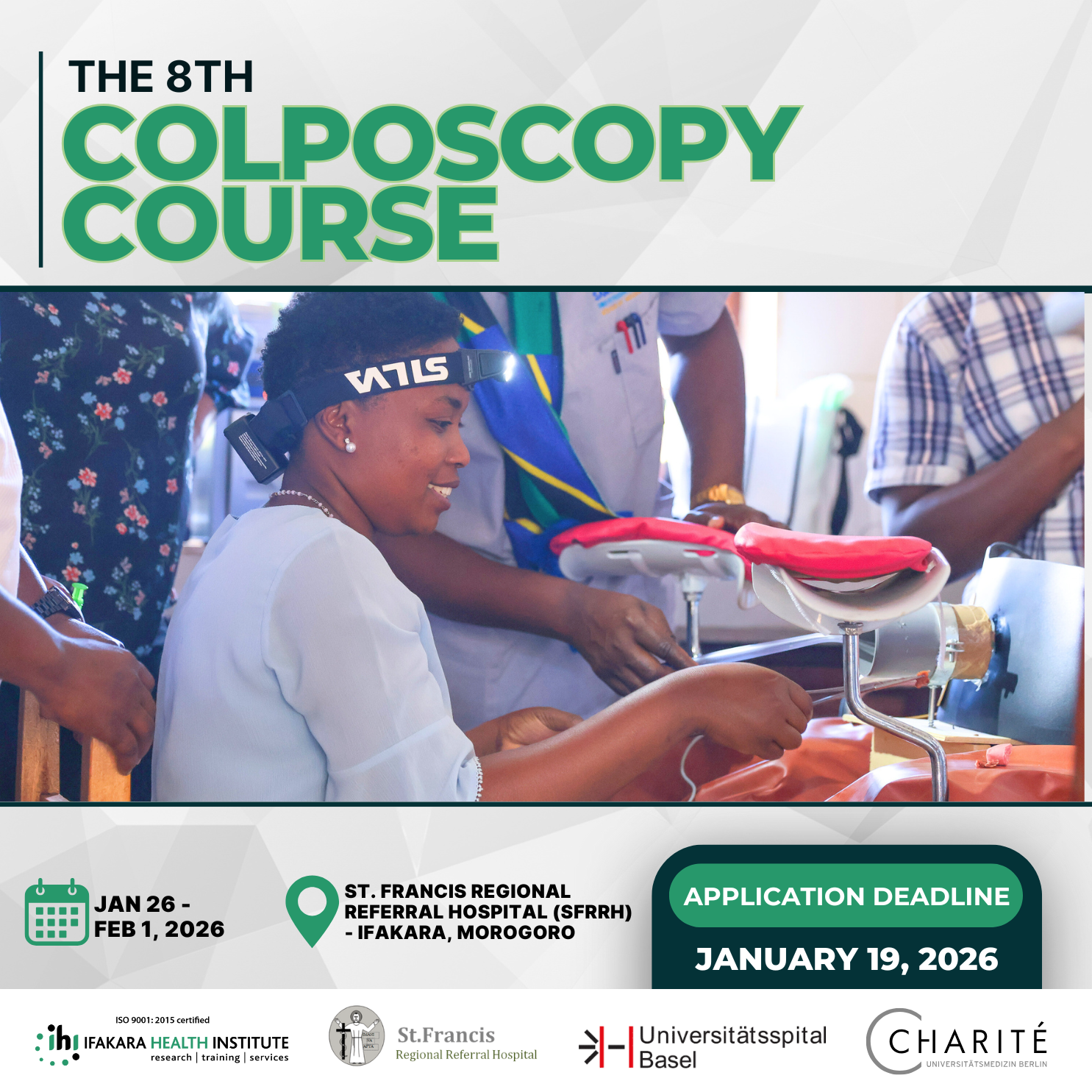
The Ifakara Health …
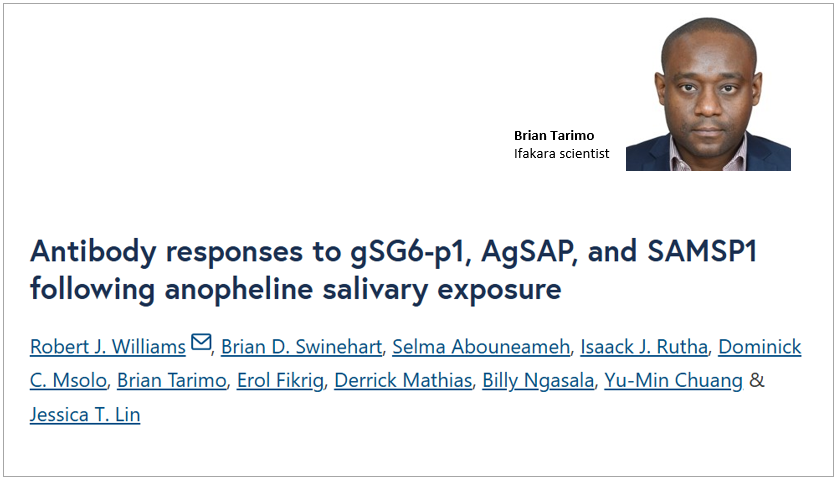
Scientists from Tanzania and the USA have found that mosquito saliva could offer a powerful new way to track malaria exposure in people.
…